Sport · Vietnam Bureau
Vietnam expands DNA testing to identify over 207,000 war martyrs
Vietnam's Steering Committee 515 has dramatically expanded its DNA identification capacity, collecting samples from remains of more than 207,000 fallen soldiers. The initiative aims to reunite families with their relatives' remains nearly 50 years after the Vietnam War ended.
LSN Vietnam ·
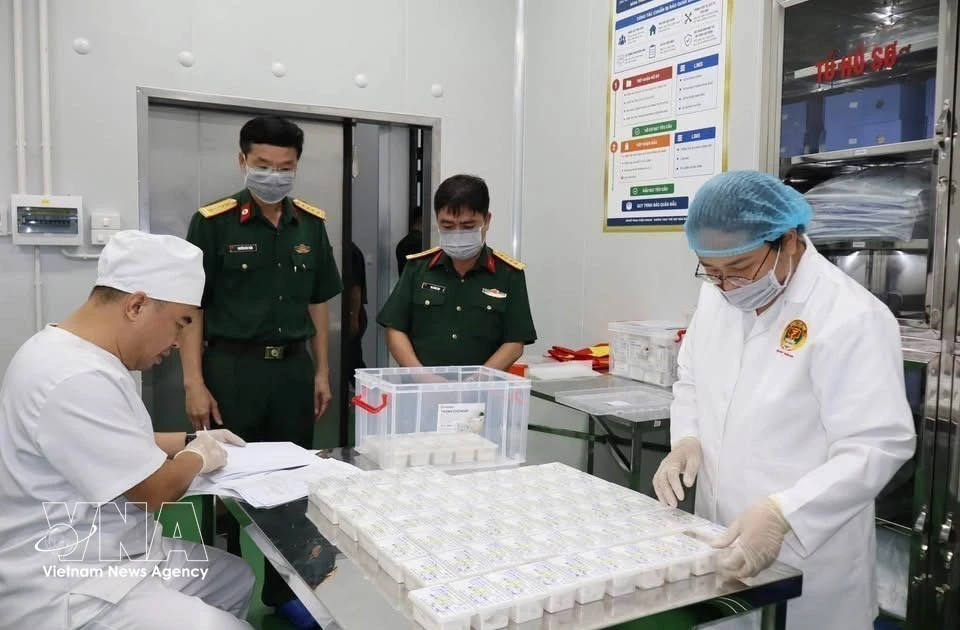
Vietnam's efforts to identify and return the remains of fallen soldiers have reached a significant milestone, with DNA testing capacity now covering samples from 207,656 martyrs' remains. According to progress reports through September 2026, the identification campaign has achieved 98.15% of its target collection goal, marking substantial progress in the decades-long initiative.
Steering Committee 515, the government body overseeing the project, has received and preserved nearly 120,000 samples from the remains. In parallel, authorities have gathered DNA samples from 265,761 relatives of fallen soldiers, with approximately 100,000 samples already analyzed. To date, around 80,000 DNA results have been entered into the national database, enabling family matching and identification.
The expanded DNA testing initiative represents a major advancement in Vietnam's commitment to honoring its war dead and providing closure to surviving family members. Many remains from the 1968 Tet Offensive and other major military campaigns remain unidentified, scattered across battlefields and burial sites throughout the country. The project has also launched efforts to locate witnesses and identify additional burial sites that could contain remains of fallen soldiers.
The identification process faces significant logistical challenges, given the passage of decades and the condition of remains recovered from scattered locations. Nevertheless, the program continues to expand its capacity and improve matching protocols to accelerate identifications and facilitate the return of remains to families.