Politics · Vietnam Bureau
Vietnam faces inflation pressure as price growth outpaces targets in key cities
Consumer prices in Vietnam rose 4.52% during the first nine months of 2026, tracking in line with government targets, but inflation accelerated in major economic centers including Hanoi and Ho Chi Minh City, prompting closer official scrutiny.
LSN Vietnam ·
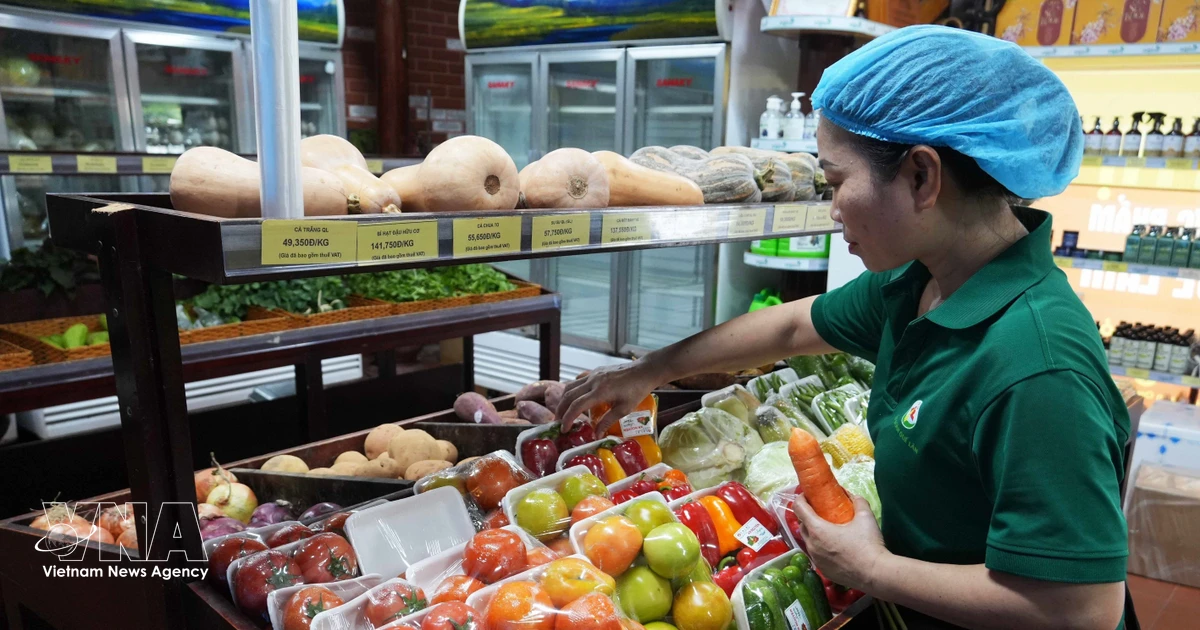
Vietnam's average consumer price index climbed 4.52% in the first three quarters of 2026, the National Statistics Office reported, broadly aligning with the National Assembly's full-year inflation ceiling. Core inflation, which excludes volatile food and energy components, reached 4.26% over the same period, signaling persistent underlying price pressures across the economy.
Regional disparities have emerged as a growing concern for policymakers. Inflation in Hanoi and Ho Chi Minh City, the nation's principal economic hubs, outpaced the national average, with Hanoi's consumer prices rising 0.81% in September alone. The concentration of price growth in these key urban centers reflects supply chain dynamics and localized demand pressures that complicate the government's inflation management efforts.
In response to narrowing policy buffers, Vietnam's Deputy Prime Minister has ordered intensified monthly price monitoring across the country, signaling heightened vigilance over cost-of-living developments. Officials acknowledge that sustained inflation control remains essential to preserving economic growth momentum as the year progresses. The decision underscores official concern that price pressures could threaten purchasing power and consumer confidence if left unchecked through the final quarter.