Business · Vietnam Bureau
Vietnam harnesses GIS technology to prioritize unexploded ordnance clearance
Vietnamese authorities are deploying geographic information systems to streamline the dangerous work of identifying and clearing landmines and bomb remnants left by decades of conflict. The technology-driven approach combines historical warfare data with current socio-economic factors to target clearance efforts where they are needed most.
LSN Vietnam ·
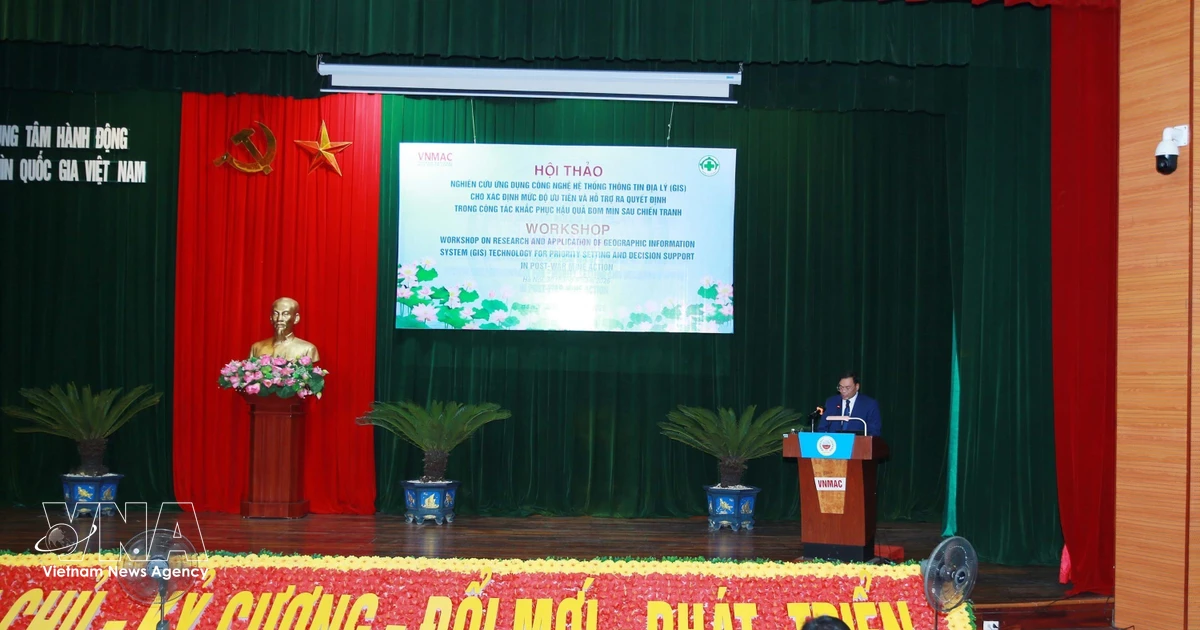
Researchers in Quang Ngai province have developed a Geographic Information System (GIS) model that integrates wartime bombing records, field survey data, population density figures and land-use planning information to create detailed priority maps for unexploded ordnance (UXO) clearance operations. The integrated approach represents a significant advancement in how Vietnam tackles the persistent threat posed by landmines and bomb remnants scattered across the country decades after the war's end.
The GIS methodology allows authorities to identify contaminated areas with the greatest concentration of civilians or those slated for economic development, enabling more efficient deployment of the specialized teams tasked with locating and neutralizing dangerous ordnance. By combining multiple data layers—from historical military records to contemporary infrastructure plans—the system provides a comprehensive view of risk across affected regions.
The initiative comes as Vietnam continues to grapple with the legacy of unexploded ordnance, which kills and injures civilians years after conflicts have ended. Recent operations across the country have underscored the ongoing challenge, including the safe detonation of a 200-kilogram bomb in Phu Tho province and another wartime explosive disposed of in Nghe An province. Nationwide public awareness efforts, including an UXO safety contest that attracted 1.8 million participants, demonstrate the government's multi-faceted approach to addressing the issue.
Experts say the GIS-based priority system has the potential to significantly improve the effectiveness of Vietnam's bomb and mine clearance programs by directing limited resources toward areas where intervention would have the greatest impact on public safety and development.