Technology · Vietnam Bureau
Vietnam pursues dedicated 5G network to secure high-speed rail operations
Vietnam's Ministry of Construction has greenlit two research projects aimed at developing a specialized 5G network infrastructure for the country's emerging high-speed rail system. The initiatives, backed by major telecom operators Viettel Group and VNPT, represent a critical step toward ensuring safety and connectivity on the nation's rail expansion.
LSN Vietnam ·
Vietnam is moving forward with plans to establish a dedicated 5G network specifically designed for high-speed rail operations, marking a significant advancement in the country's transport infrastructure modernization. The Ministry of Construction approved two research and development projects in September, both targeting the creation of this specialized communications system.
Viettel Group and Vietnam Posts and Telecommunications Group (VNPT), the country's leading telecom providers, are spearheading the dual initiatives. The projects reflect growing recognition that high-speed rail networks require robust, reliable connectivity systems distinct from commercial consumer networks to maintain operational safety and efficiency.
This development aligns with Vietnam's broader high-speed rail ambitions, which have gained momentum following partnerships with international technology providers and investments in rail infrastructure. The country is simultaneously building workforce capacity and securing the technological backbone necessary to support next-generation rail operations.
The dedicated 5G network approach allows Vietnam to tailor communication systems to the specific demands of high-speed rail, including real-time signaling, train control systems, and passenger safety protocols. By leveraging its domestic telecom expertise through Viettel and VNPT, Vietnam aims to develop homegrown capabilities while reducing long-term operational costs and ensuring technological sovereignty in this critical sector.
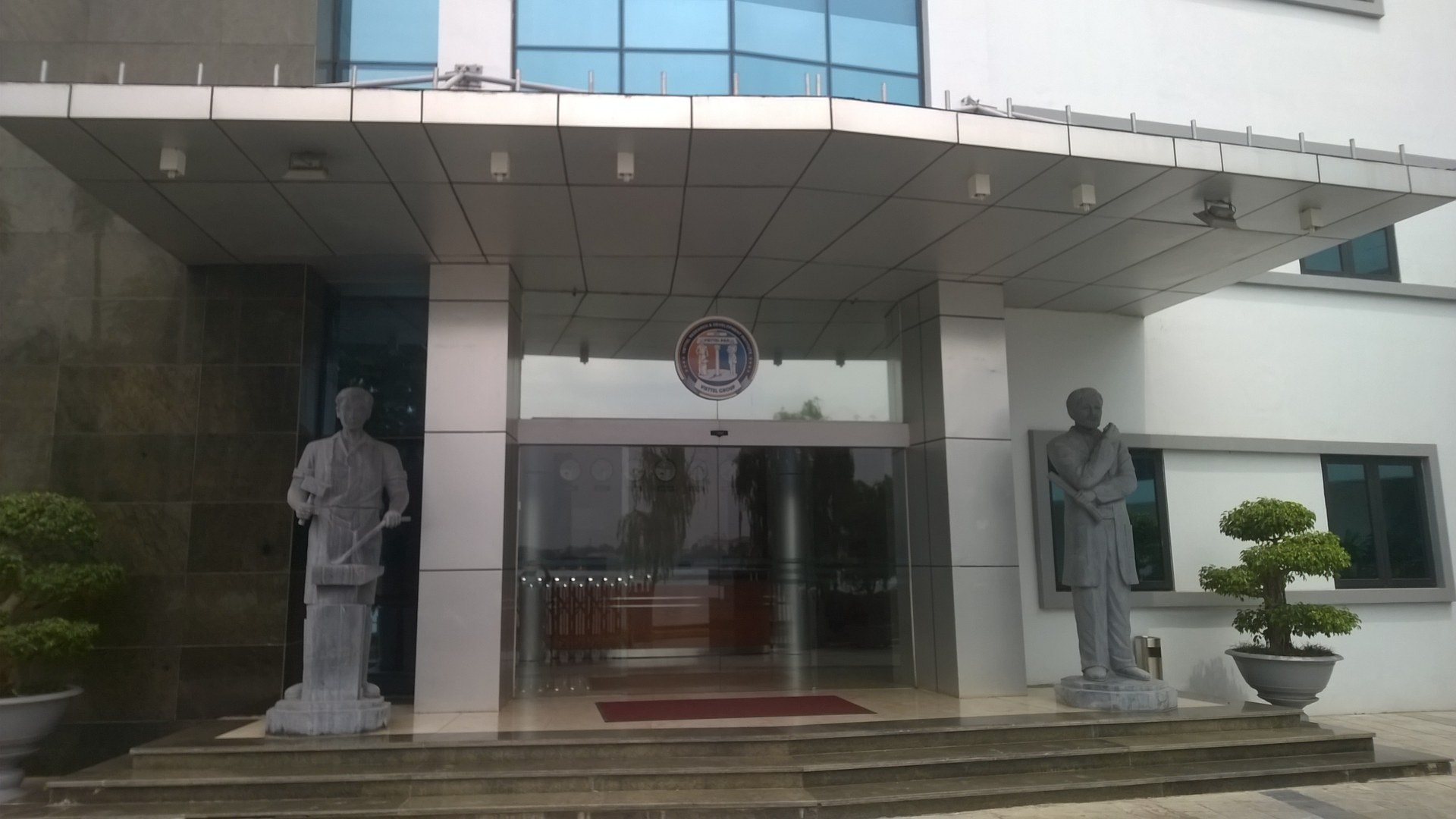
Photo: A Viettel Group office building in Tay Ho, Hanoi, July 2015. Vuong Tri Binh via Wikimedia Commons (CC BY-SA 4.0).