Business · Vietnam Bureau
Vietnam Reaches Upper-Middle-Income Status After 17-Year Climb
Vietnam has officially crossed into upper-middle-income territory, with gross national income per capita rising to $4,970 in 2025. The achievement marks a significant economic milestone after nearly two decades in the lower-middle-income bracket.
LSN Vietnam ·
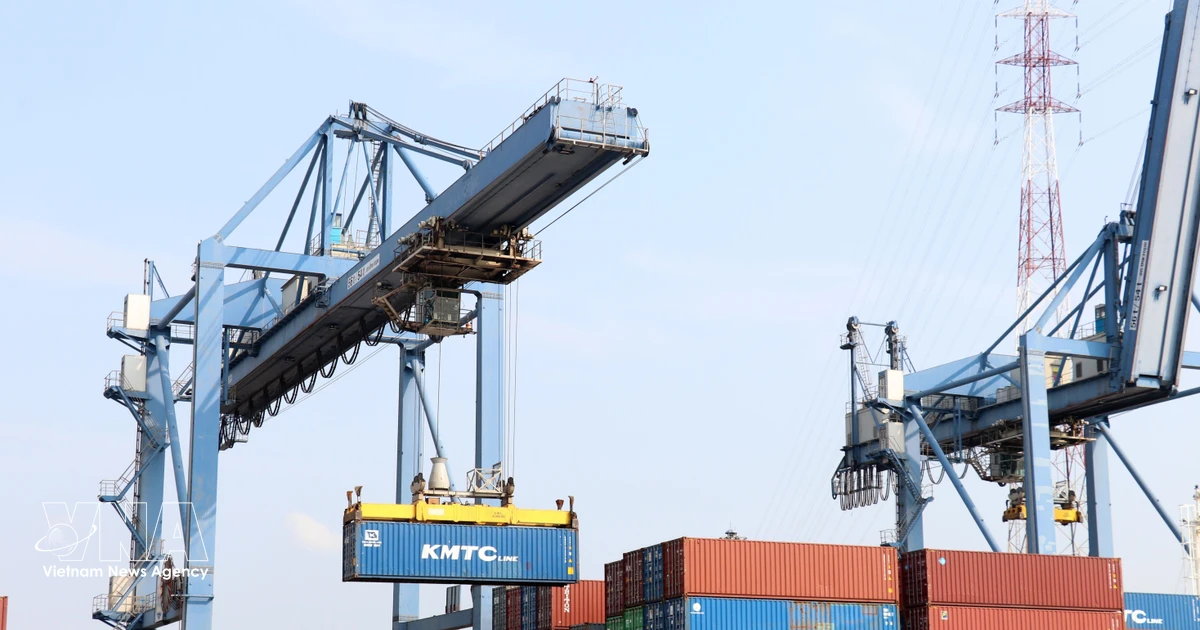
Vietnam's economic ascent accelerated this year as per capita GNI surpassed the World Bank's revised threshold of $4,636 for upper-middle-income classification. The figure represents a jump of $480 from 2024's $4,490 reading, reflecting sustained economic progress that has eluded many developing nations in the region.
The milestone represents the culmination of 17 consecutive years spent in the lower-middle-income category since 2009, underscoring Vietnam's steady trajectory across income classifications. Development experts attribute the advancement to diversified economic growth, rising productivity, and increased integration into global value chains.
Yet analysts caution that numerical growth alone does not guarantee sustained prosperity. The Asian Development Bank has emphasized that Vietnam must transition from quantity-focused expansion toward quality-driven development. This shift involves strengthening manufacturing competitiveness, investing in human capital, and building more resilient domestic industries.
Vietnamese steelmakers exemplify both the opportunities and challenges ahead. Despite headwinds in export markets, the sector has demonstrated resilience and found pockets of growth, suggesting local industries possess capacity to adapt. Policymakers are exploring strategies to empower businesses toward double-digit growth trajectories while maintaining macroeconomic stability.
The upper-middle-income classification opens new possibilities for foreign investment and development partnerships, though it also subjects Vietnam to heightened global economic competition. Success in the coming years will depend on whether the nation can sustain momentum while transitioning to higher-value production models.