World · World News Bureau
Vietnam's Communist Party leader visits Japan amid strengthening ties
Vietnamese Communist Party General Secretary To Lam is undertaking a high-profile visit to Japan, reflecting the two nations' deepening strategic partnership. The visit underscores Japan's expanding engagement with Vietnam as geopolitical dynamics shift across the Asia-Pacific region.
LSN World News ·
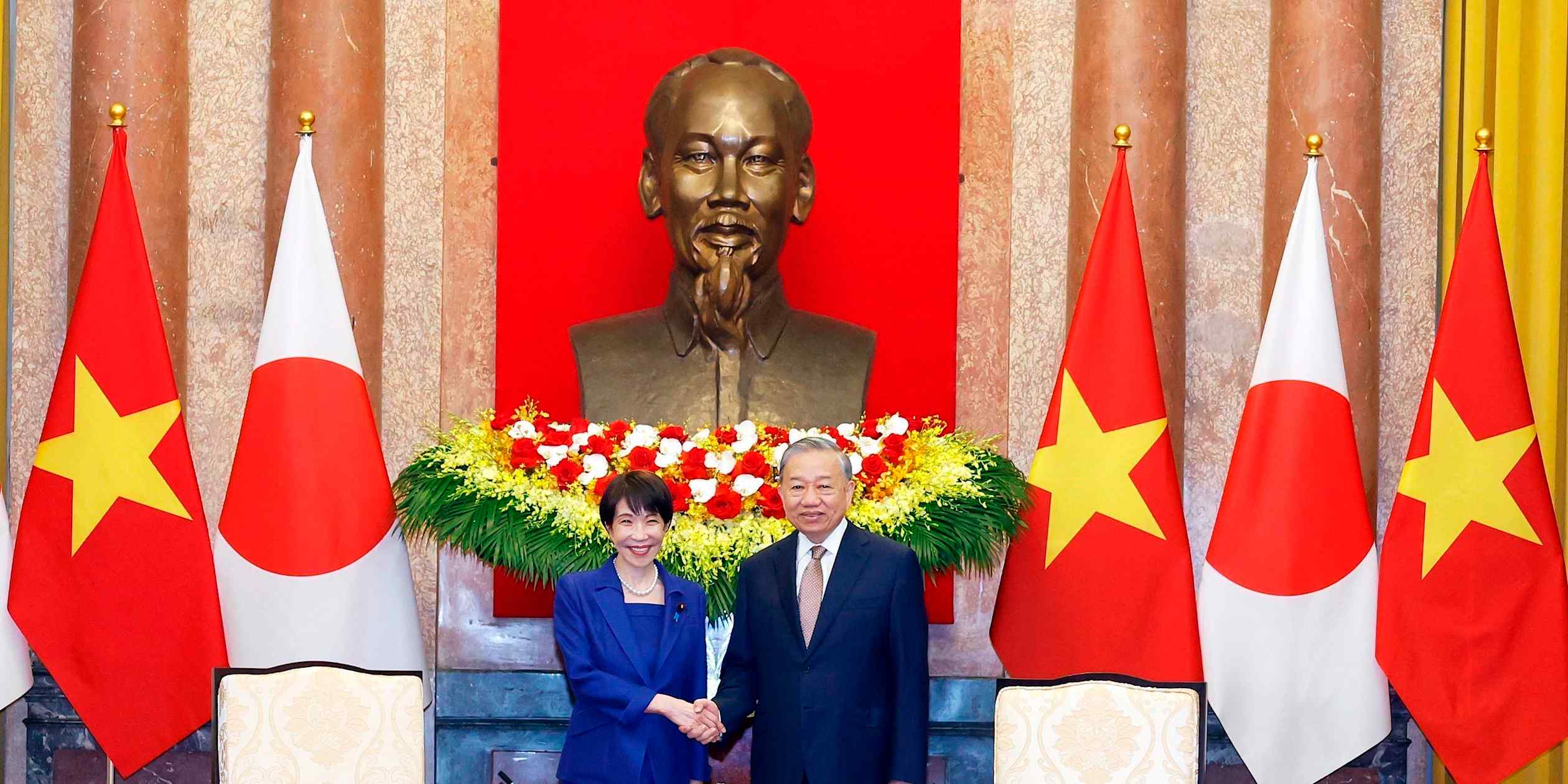
To Lam's trip to Japan marks a significant moment in bilateral relations between the two countries, which have cultivated increasingly robust ties over recent decades. The Vietnamese leader's visit demonstrates Tokyo's commitment to strengthening connections with Southeast Asia's largest communist nation, a country that has emerged as a key strategic partner for Japan in the region.
The visit comes as Japan has intensified its diplomatic efforts to build alliances and partnerships across Asia amid shifting regional dynamics. Vietnam, as one of Asia's fastest-growing economies and a major player in Southeast Asian affairs, has become a focal point for Japanese foreign policy. Both nations share interests in maintaining regional stability and supporting a rules-based international order.
Bilateral cooperation between Vietnam and Japan has expanded across multiple sectors in recent years, including trade, investment, defense, and technology. Japanese companies have significantly increased their presence in Vietnam, while cultural and educational exchanges have strengthened people-to-people connections. The relationship reflects a broader Japanese strategy to diversify partnerships and reduce dependence on any single economic or strategic partner.
To Lam's visit is expected to include meetings with senior Japanese government officials and business leaders, with discussions likely focusing on trade expansion, infrastructure development, and regional security challenges. The visit underscores how Vietnam's position as a bridge between major powers continues to shape its foreign policy priorities and regional influence.