World · World News Bureau
Vietnam's offshore energy reserves attract major powers to contested waters
Vietnam's substantial oil and gas deposits in the South China Sea are drawing strategic interest from Japan, the United States, and Russia, adding another layer of competition to one of the world's most disputed maritime regions.
LSN World News ·
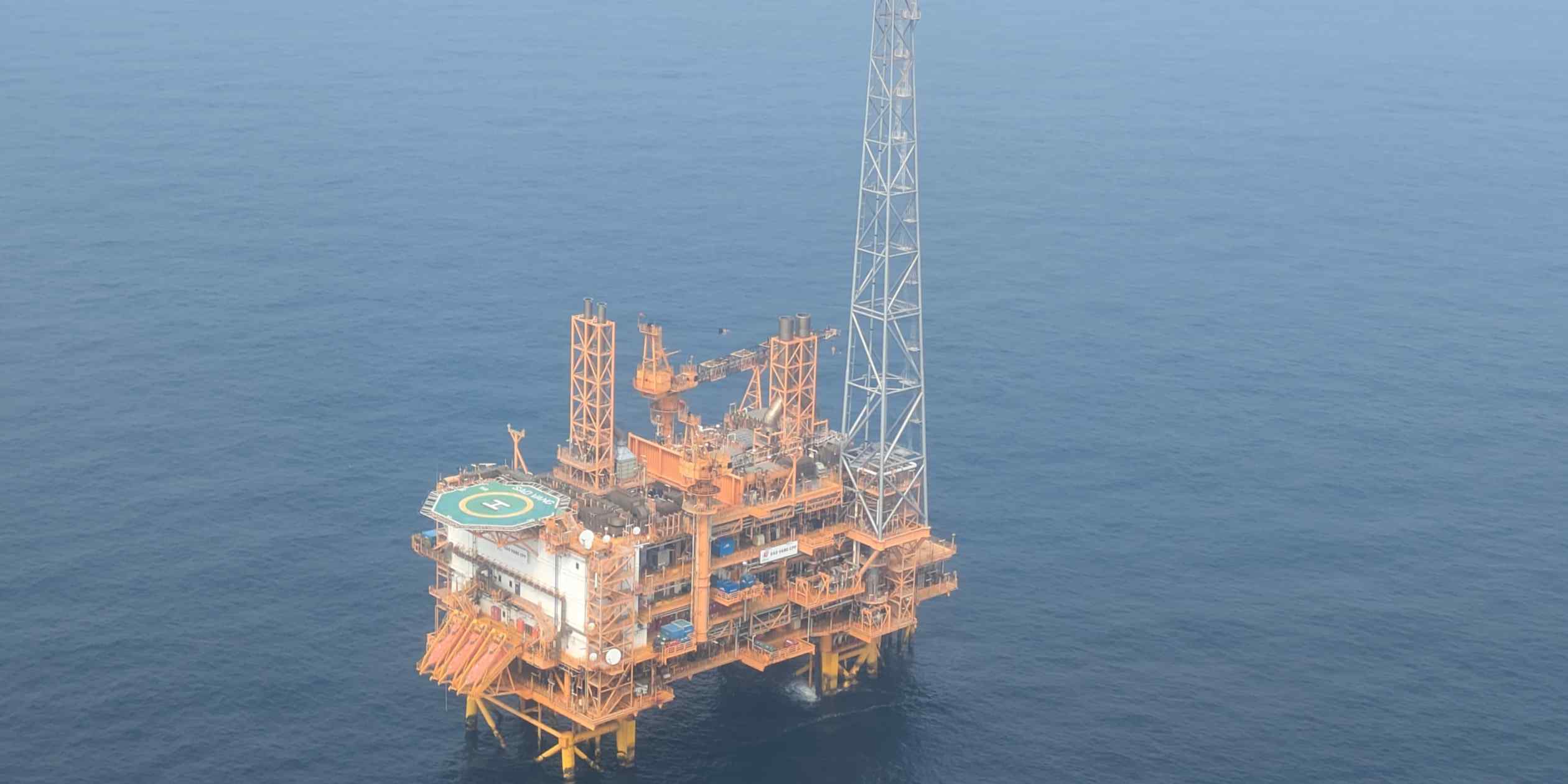
Vietnam's offshore hydrocarbon resources have become a focal point for international engagement in the South China Sea, with major powers seeking to secure stakes in the resource-rich waters. The nation's continental shelf contains significant proven and potential reserves of oil and natural gas, making it an attractive prospect for energy-dependent economies across the region and beyond.
Japan and the United States have increased their involvement in Vietnam's energy sector, reflecting broader strategic interests in maintaining freedom of navigation and balanced economic ties in Southeast Asia. Japan has particular energy security concerns given its limited domestic resources, while Washington views energy cooperation as part of its Indo-Pacific strategy. Meanwhile, Russia continues to maintain commercial interests in Vietnamese offshore projects despite broader geopolitical tensions.
Vietnam's push to develop these resources comes amid longstanding territorial disputes with China over overlapping continental shelf claims in the South China Sea. The competing jurisdictional claims have complicated exploration and development activities, with international companies often weighing political risk alongside commercial viability. Vietnam has sought partnerships with major powers partly to strengthen its position and ensure technical and financial capacity for offshore development.
The convergence of energy interests and geopolitical competition underscores the South China Sea's dual significance as both a crucial energy frontier and a theater of great power rivalry. Foreign investment in Vietnamese offshore projects carries implications beyond economics, potentially influencing the regional balance of power and maritime security dynamics.