Politics · Vietnam Bureau
Vietnam's rooftop solar development lags government targets
Vietnam's push to expand residential solar capacity faces implementation challenges despite policy support and rising electricity demand. Deputy officials acknowledge the sector's potential but signal concerns about progress toward national goals.
LSN Vietnam ·
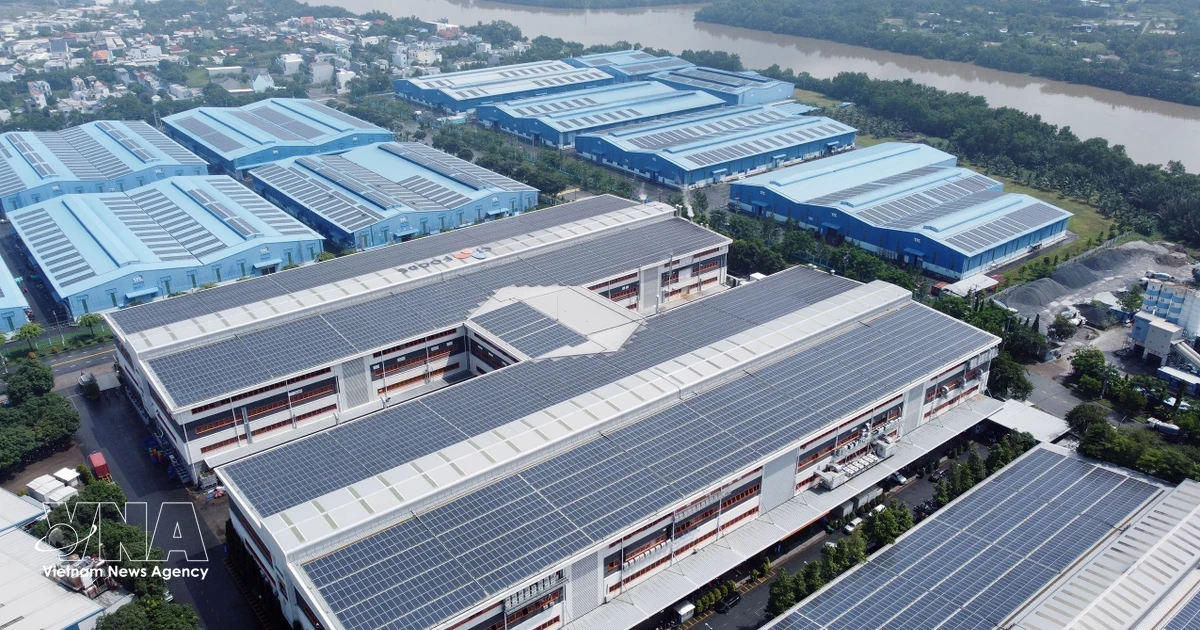
Vietnam's rooftop solar power sector is underperforming against government development targets, according to Truong Thanh Hoai, Deputy Minister of Industry and Trade.
The technology offers significant advantages for Vietnam's energy landscape, including rapid deployment timelines, minimal land consumption, and reduced power transmission losses. These benefits have made rooftop solar a strategic priority as the country confronts surging electricity demand expected to climb approximately 10 percent annually.
Despite favorable policy conditions and acknowledged technical merits, rooftop solar installations have not kept pace with official projections. The shortfall reflects broader challenges in scaling distributed renewable energy across residential and commercial sectors.
The government has intensified efforts to promote rooftop solar development as part of broader renewable energy expansion plans. Policymakers view the technology as a critical tool for meeting future power requirements while reducing reliance on conventional generation sources.
Closing the gap between targets and actual deployment will require accelerated efforts on interconnection standards, financing mechanisms, and consumer awareness campaigns, analysts suggest.