World · World News Bureau
Vietnam's solar boom forces overhaul of national electricity pricing model
Rapid expansion of solar power generation in Vietnam has prompted policymakers to reconsider the country's electricity pricing framework. The shift reflects broader challenges facing Southeast Asian energy markets as renewable capacity outpaces traditional grid infrastructure.
LSN World News ·
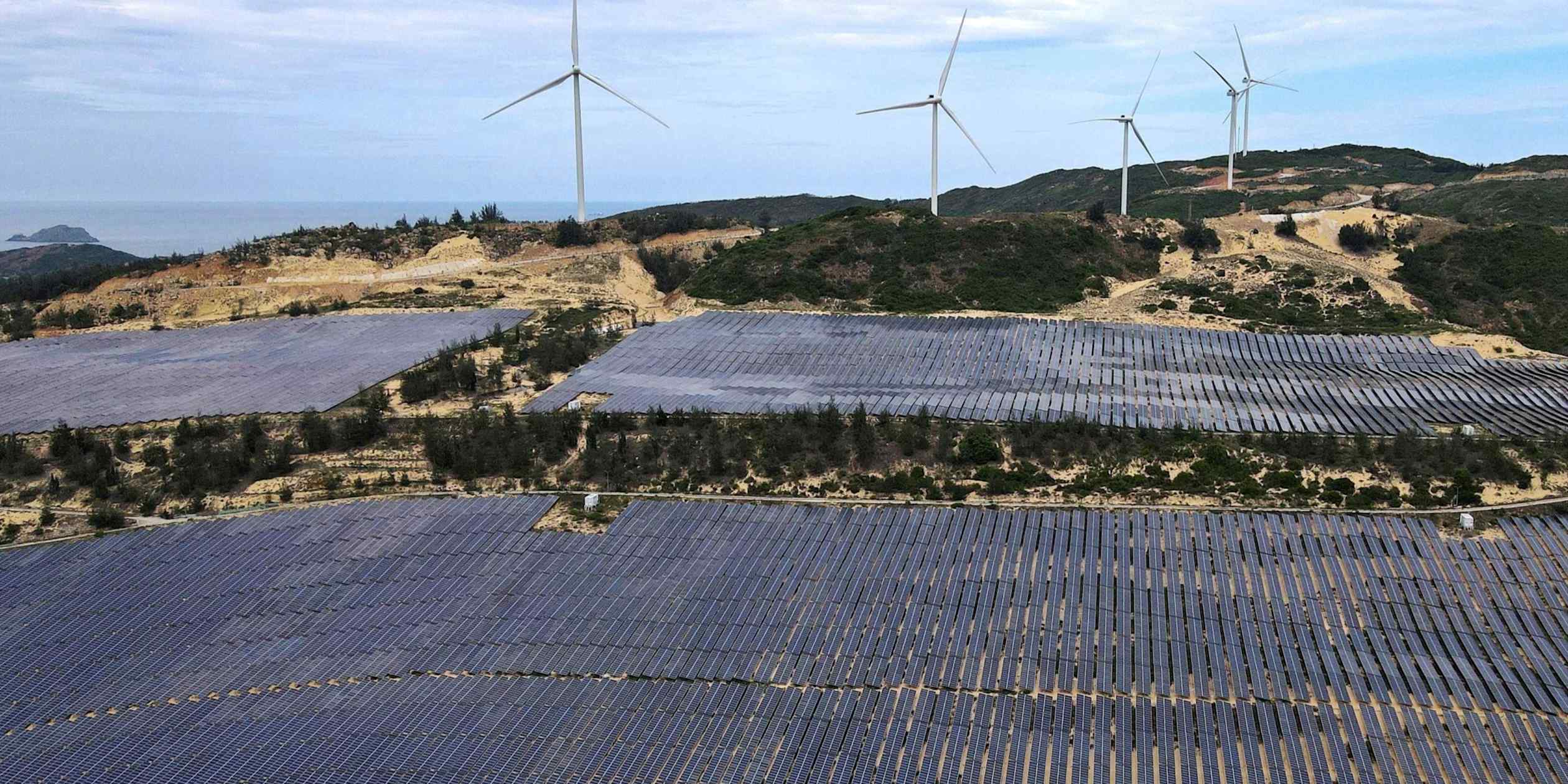
Vietnam's dramatic increase in solar energy capacity has created unforeseen pressures on the national power system, triggering a comprehensive review of how electricity prices are set and managed. The country has emerged as a regional leader in solar deployment, with installations expanding far faster than initially projected, fundamentally altering the dynamics of energy supply and pricing mechanisms.
The influx of solar generation at peak daylight hours has destabilized traditional pricing models designed when fossil fuels dominated Vietnam's energy mix. Grid operators face the challenge of managing variable renewable output while maintaining system stability, with consequences that ripple through electricity cost structures for both utilities and consumers.
Energy officials are now examining mechanisms to better integrate renewable sources into pricing frameworks, including potential adjustments to tariff structures and grid management protocols. The review encompasses both the wholesale market dynamics and retail pricing for end-users, reflecting the systemic nature of Vietnam's energy transition challenges.
Vietnam's experience underscores a common problem across Southeast Asia, where rapid renewable deployment is outpacing policy and infrastructure adaptation. Successfully navigating this transition requires balancing the economic benefits of cheap solar power against grid stability costs and the financial viability of existing energy assets.