Politics · Vietnam Bureau
Vietnam's Supporting Industries Push for Stronger Local Supply Chain Integration
Vietnam's supporting industries are intensifying efforts to forge tighter domestic linkages as global supply chains shift and environmental and digital demands grow more stringent. Strengthening these sectors is now viewed as critical to boosting the nation's overall economic competitiveness.
LSN Vietnam ·
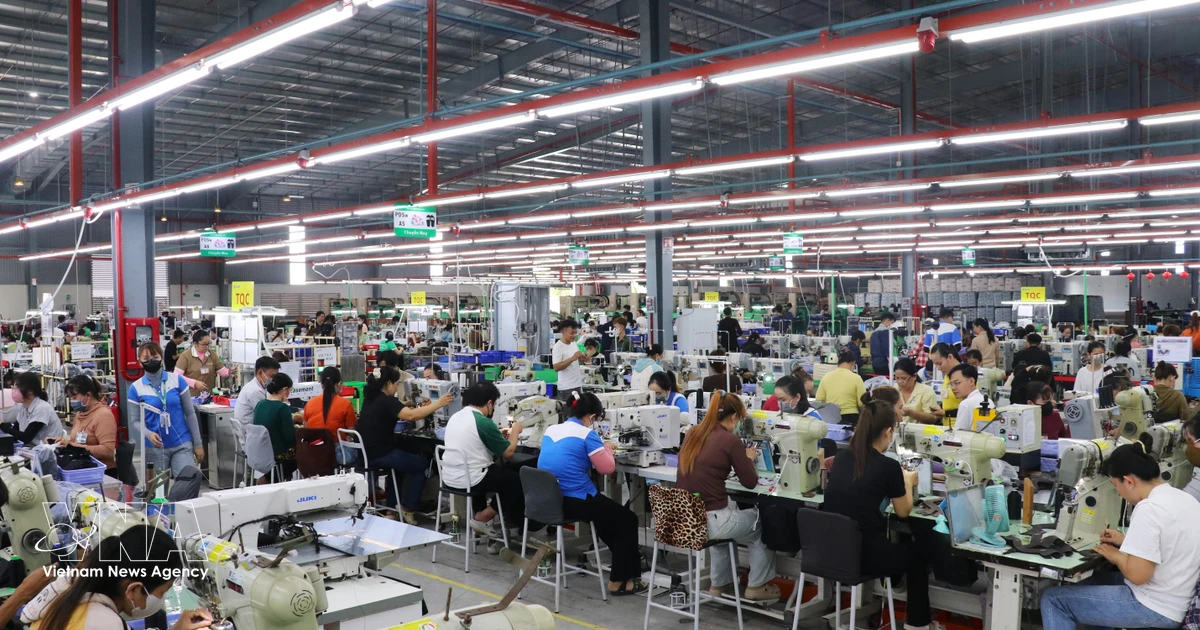
Vietnam's supporting industries face mounting pressure to deepen their connections with domestic manufacturers and suppliers, responding to fundamental shifts reshaping international commerce. As multinational corporations reassess their global footprint and tighten environmental compliance requirements, local producers must enhance their capabilities to remain competitive and reduce dependence on overseas inputs.
The push for stronger domestic supply chain integration comes amid accelerating technological demands and stricter sustainability standards across industries. Supporting sectors—which provide components, materials, and services to larger manufacturers—are increasingly required to meet international quality benchmarks while maintaining cost competitiveness. This dual pressure has prompted businesses to explore greater collaboration with Vietnamese counterparts rather than relying solely on foreign suppliers.
Government initiatives are expected to play a central role in facilitating this transition. Policymakers are focusing on coordinating efforts between state authorities, multinational enterprises operating in Vietnam, and domestic companies to create an ecosystem where supporting industries can thrive. Such coordination aims to identify supply chain gaps, support technology transfer, and encourage investment in upgrading manufacturing capabilities.
Industry experts emphasize that successful development of supporting industries requires sustained commitment from all stakeholders. As Vietnam seeks to strengthen its position in increasingly regionalized supply chains, the ability of local suppliers to meet global standards while serving domestic needs has become strategically important for long-term industrial growth and economic resilience.