Politics · Vietnam Bureau
Vietnam's top leader urges female lawmakers to shape policy development
Party General Secretary To Lam has called on female National Assembly deputies to play a more active role in the legislative process, emphasizing the need for evidence-based, enforceable policies that serve the common interest.
LSN Vietnam ·
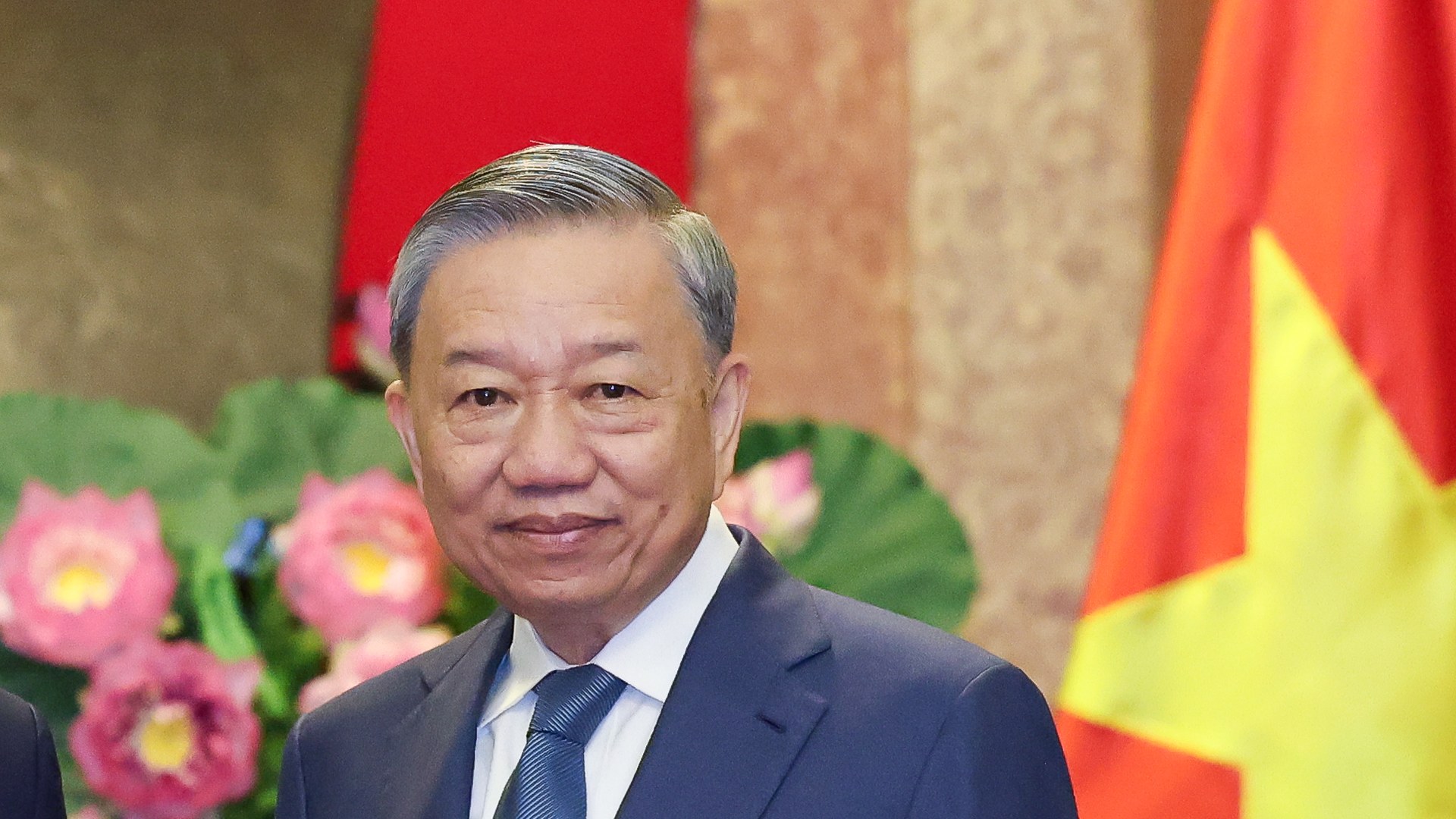
To Lam's remarks underscore the Communist Party's emphasis on expanding women's participation in Vietnam's policymaking apparatus. The party chief urged female NA deputies to engage from the earliest stages of lawmaking, helping to ensure that proposed legislation is grounded in practical evidence, constitutionally sound, consistent with existing law, and capable of implementation.
In his appeal to the lawmakers, To Lam stressed the importance of identifying potential shortcomings in draft legislation before adoption and proposing initiatives that serve broader public interests rather than narrow constituencies. He emphasized that female deputies should maintain independent judgment and personal integrity, acting as safeguards against the influence of special interests that could compromise the legislative process.
The push for enhanced female participation in lawmaking comes as the National Assembly tackles several significant policy initiatives. Prime Minister Le Minh Hung and NA President Tran Thanh Man recently held a separate meeting with female lawmakers to discuss their role in the chamber. Meanwhile, NA deputies are advancing legislative work on multiple fronts, including proposals to strengthen enforcement mechanisms for administrative penalties and preparation for upcoming debates on the draft Data Security Law, scheduled for October 26.
Women comprise a significant bloc within the 500-member National Assembly, and their contributions to legislative deliberations have become increasingly central to the party's governance agenda as Vietnam navigates complex economic and social policy challenges.
Photo: Vietnamese leader To Lam at the Presidential Palace in Hanoi, July 2024. Minh Hoang / European Union via Wikimedia Commons (CC BY 4.0).