Business · Vietnam Bureau
Vietnam sets high-risk thresholds for AI that moves money in banks
A new State Bank of Vietnam circular, in force since 15 November, labels AI systems that automatically make payments above VND10 million for individuals as high-risk and caps AI-executed transfers at VND100 million a day per person.
LSN Vietnam ·
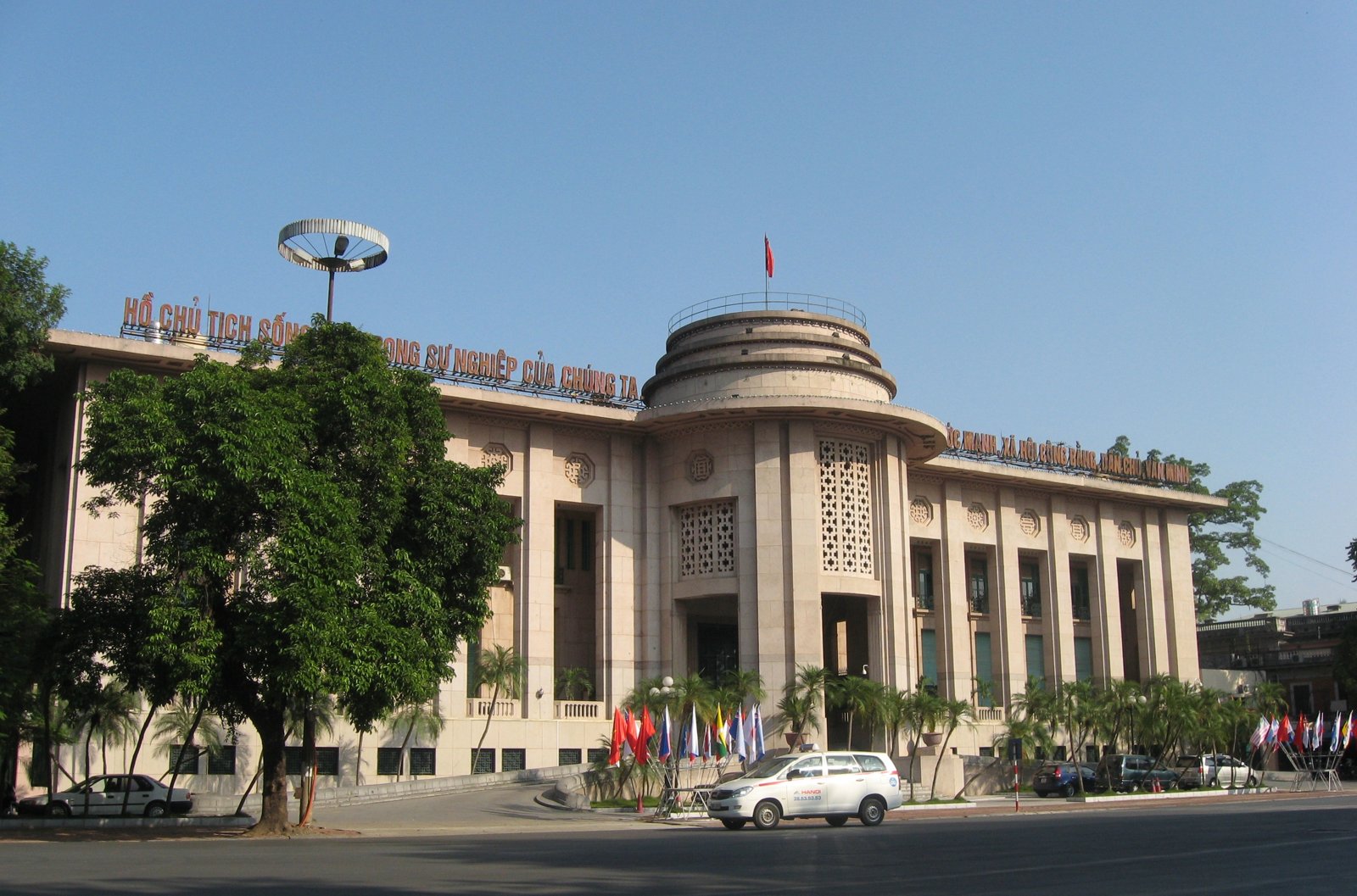
<p>Vietnam's central bank has brought in its first dedicated rulebook for artificial intelligence in banking, setting value thresholds above which AI systems that move customers' money are treated as high-risk and must face tighter oversight.</p>
<p>Circular 53/2026/TT-NHNN, signed by Deputy Governor Pham Tien Dung on 30 September, took effect on 15 November, according to the government's official gazette. It applies to credit institutions, foreign bank branches, payment intermediaries, mobile money providers, credit information companies and some other entities in the sector, Dan Tri reported.</p>
<p>Under the circular, an AI system that automatically executes payments for an individual customer is classed as high-risk if any single transaction exceeds VND10 million (about $380) or its automated payments for that customer exceed VND20 million in a day. For business customers, the thresholds are VND50 million per transaction and VND100 million per day. AI systems that automatically approve loans of VND50 million or more are also classed as high-risk.</p>
<p>Legal database Thu Vien Phap Luat noted that the thresholds are used to classify the risk level of AI systems and are not limits on how much customers can transfer themselves.</p>
<p>Separately, the total value of payments an AI system executes for one customer in a day may not exceed a bank's internal limit, and in any case no more than VND100 million for an individual or VND500 million for an organisation.</p>
<p>Banks must sign an agreement with a customer before an AI system can make payments on their behalf, setting out permitted transaction types, limits and how long the authorisation lasts, Tuoi Tre reported. For electronic agreements, banks must use biometric authentication plus at least one other method. Customers can cancel at any time, and banks must give them tools to suspend or revoke AI payment permission.</p>
<p>The rules also require human supervision of AI systems and human review when customers complain about an automated decision. Institutions remain legally responsible for decisions made or supported by AI and cannot use the technology's autonomy to avoid liability. AI systems already running before 15 November have until 1 March 2027 to comply.</p>