Business · Vietnam Bureau
Vietnam targets low-altitude economy as new growth engine
Vietnam is positioning itself to capitalize on emerging opportunities in the low-altitude economy, where unmanned aerial vehicles and related technologies could unlock significant commercial potential. Market analysts project the sector could expand to $500 million by 2035.
LSN Vietnam ·
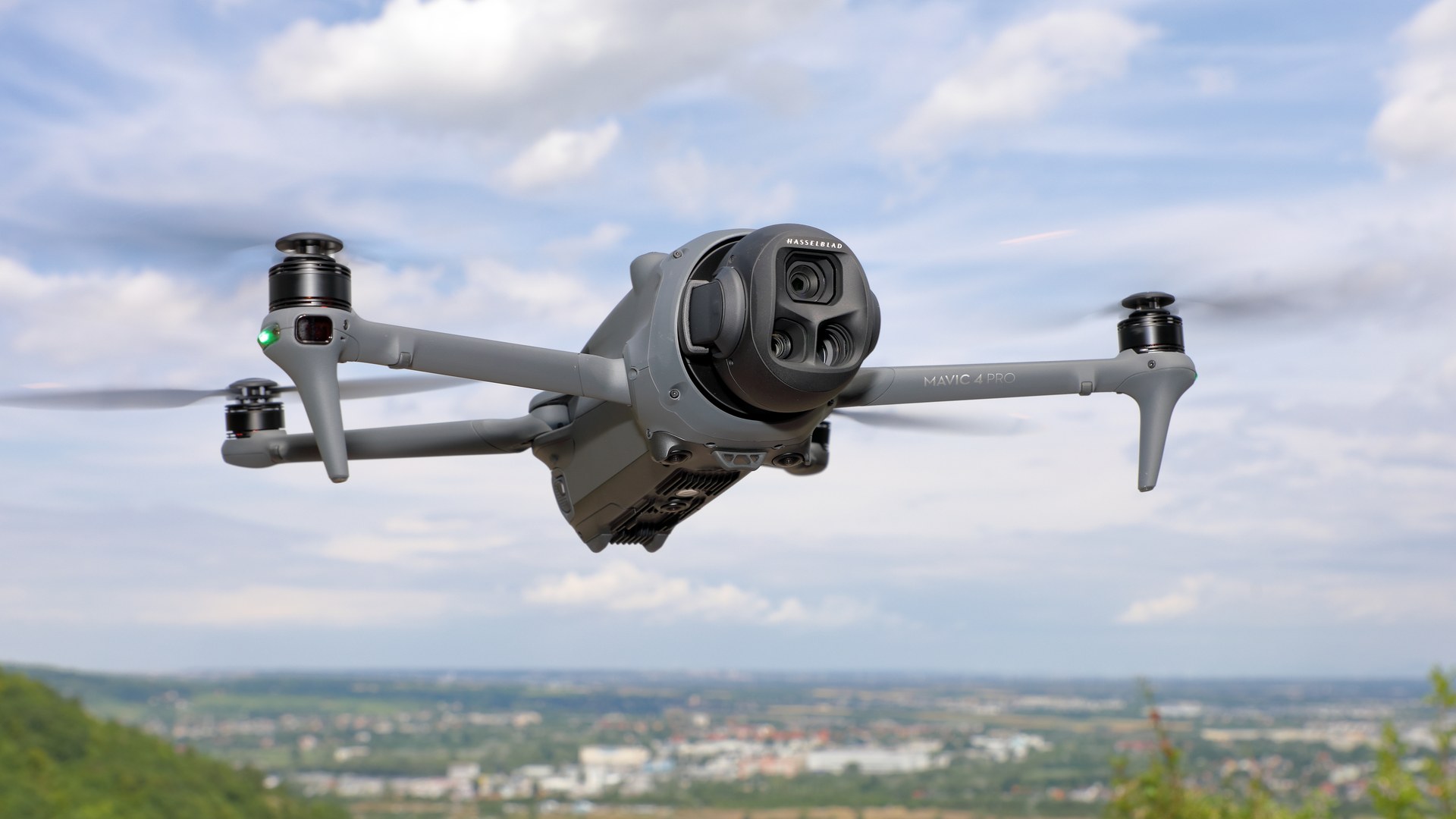
Vietnam's government is actively pursuing development of the low-altitude economy, recognizing substantial demand across multiple industries and the strategic importance of building domestic capabilities in this emerging sector. The initiative reflects broader efforts to diversify economic growth streams as the country seeks new drivers of expansion.
Unmanned aerial vehicles are expected to play a central role in Vietnam's low-altitude economy strategy. The UAV sector encompasses applications ranging from agricultural monitoring and logistics to infrastructure inspection and environmental management, creating a diverse revenue base across public and private enterprises.
Industry assessments indicate the low-altitude economy represents a gateway to far larger market opportunities, with potential applications extending into telecommunications, data services, and advanced manufacturing. If development targets are achieved, the sector could evolve into a trillion-dollar global opportunity in which Vietnam aims to establish a meaningful presence.
Successful implementation will require coordination between government agencies, technology developers, and end-user industries to establish regulatory frameworks, technical standards, and workforce capacity. Vietnam's existing strengths in manufacturing and growing expertise in digital technologies position the country to compete effectively in this rapidly expanding domain.
Photo: A DJI Mavic 4 Pro, a Chinese-made drone, in flight, July 2025. C.Stadler/Bwag via Wikimedia Commons (CC BY-SA 4.0).