Business · Vietnam Bureau
Vietnam to move all 299 HNX-listed stocks to Ho Chi Minh City exchange from 28 December
Hanoi-listed shares will trade for the last time on 23 December. The HoSE will then split its listings into a Prime Board and a Standard Board based on size, foreign ownership room and free float.
LSN Vietnam ·
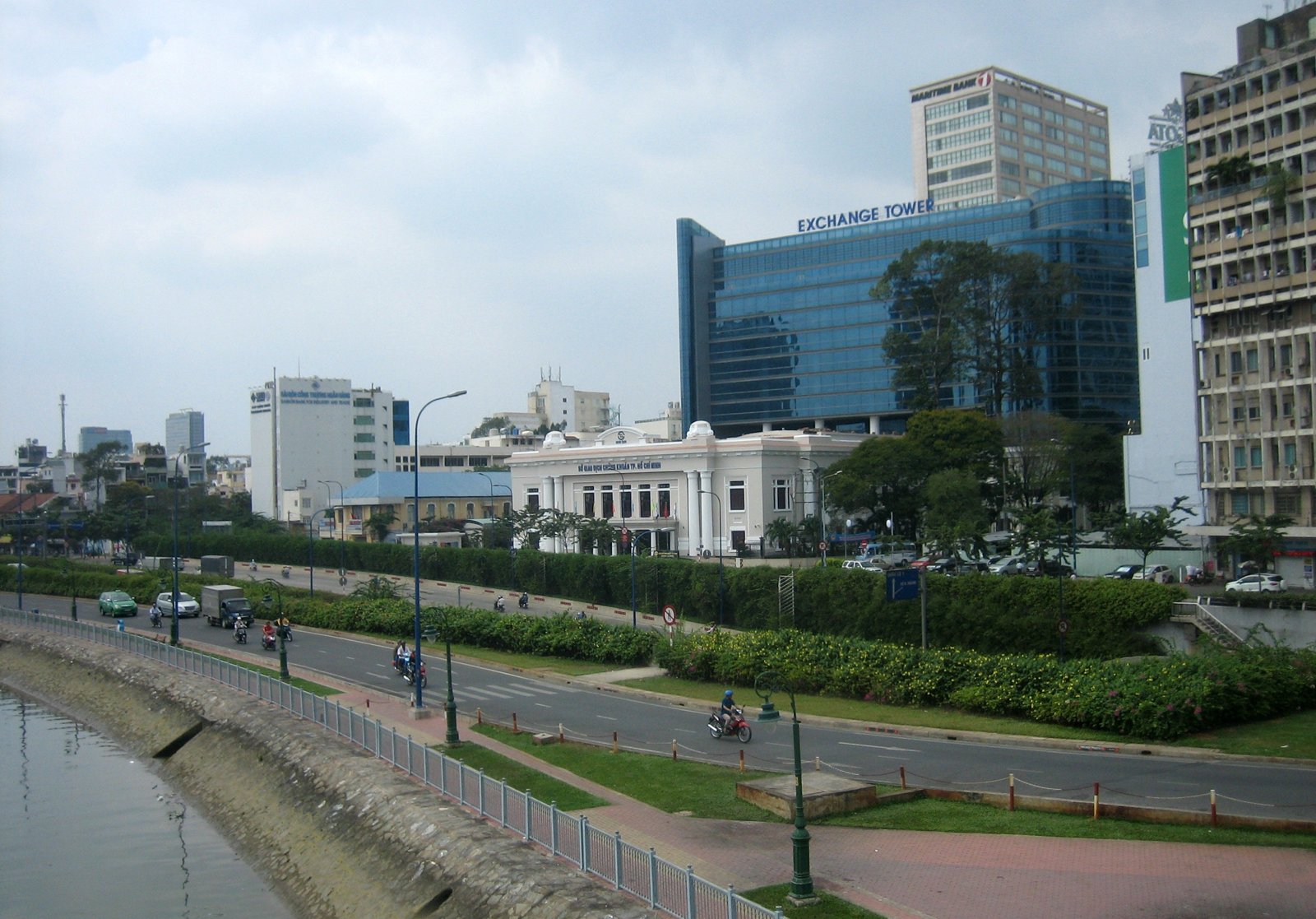
<p>Every stock listed on the Hanoi Stock Exchange (HNX) will move to the Ho Chi Minh City Stock Exchange (HoSE) at the end of December, ending Vietnam's system of two exchanges trading listed shares, officials told a national securities conference in Ho Chi Minh City on Wednesday, 18 November.</p>
<p>Under the timetable published by the Vietnam Exchange (VNX), the parent of both bourses, 23 December will be the last trading day for listed shares on the HNX. The transferring stocks will be suspended on 24 and 25 December and will begin trading on the HoSE on 28 December. Other securities on both exchanges will trade as normal during the switch. The move is required by a Finance Ministry circular that sets 31 December as the deadline.</p>
<p>The HNX has 299 listed stocks, with a combined market value of more than VND460 trillion as of 30 September, according to VietNamNet. They include Airports Corporation of Vietnam (ACV), National Citizen Bank (NVB), Habeco (BHN), and brokers MBS and SHS. The HoSE has 430 listed stocks worth more than VND8.5 quadrillion.</p>
<p>After the transfer, the HoSE will handle shares, fund certificates and covered warrants, while the HNX will focus on bonds, derivatives, the UPCoM market for unlisted public companies and new markets such as carbon credits, according to Dan Tri and VietNamNet.</p>
<p>Dang Tai An Trang, deputy general director of VNX, told the conference that the two exchanges currently run different rules, including daily price limits of 7 percent on the HoSE and 10 percent on the HNX, different tick sizes and some different order types, forcing investors and brokers to work with two sets of procedures. Putting all listed shares in one place would allow these rules to be standardised and cut compliance and operating costs, she said, according to the Phap Luat Viet Nam newspaper.</p>
<p>Tran Anh Dao, head of the HoSE's supervision department, said companies moving from Hanoi would not have to meet the initial listing conditions again. But instead of one list, the HoSE will divide its stocks into a Prime Board and a Standard Board. To join the Prime Board, a company must have paid-in capital of at least VND1 trillion; foreign ownership room of at least 50 percent, or capital adjusted for that room of at least VND500 billion; a free float of at least 50 percent, or float-adjusted capital of at least VND500 billion; and must not be under warning, control, restriction, suspension or delisting. Stocks that fail any test will go to the Standard Board.</p>
<p>Shares moving from Hanoi will also become subject to the HoSE's narrower 7 percent daily price band.</p>