Business · Vietnam Bureau
Vietnam to tax idle land at 0.2% with no allowance from July 2027
The National Assembly passed amended tax laws on Friday that put a flat 0.2% levy on all land left unused and 0.15% on land used for the wrong purpose.
LSN Vietnam ·
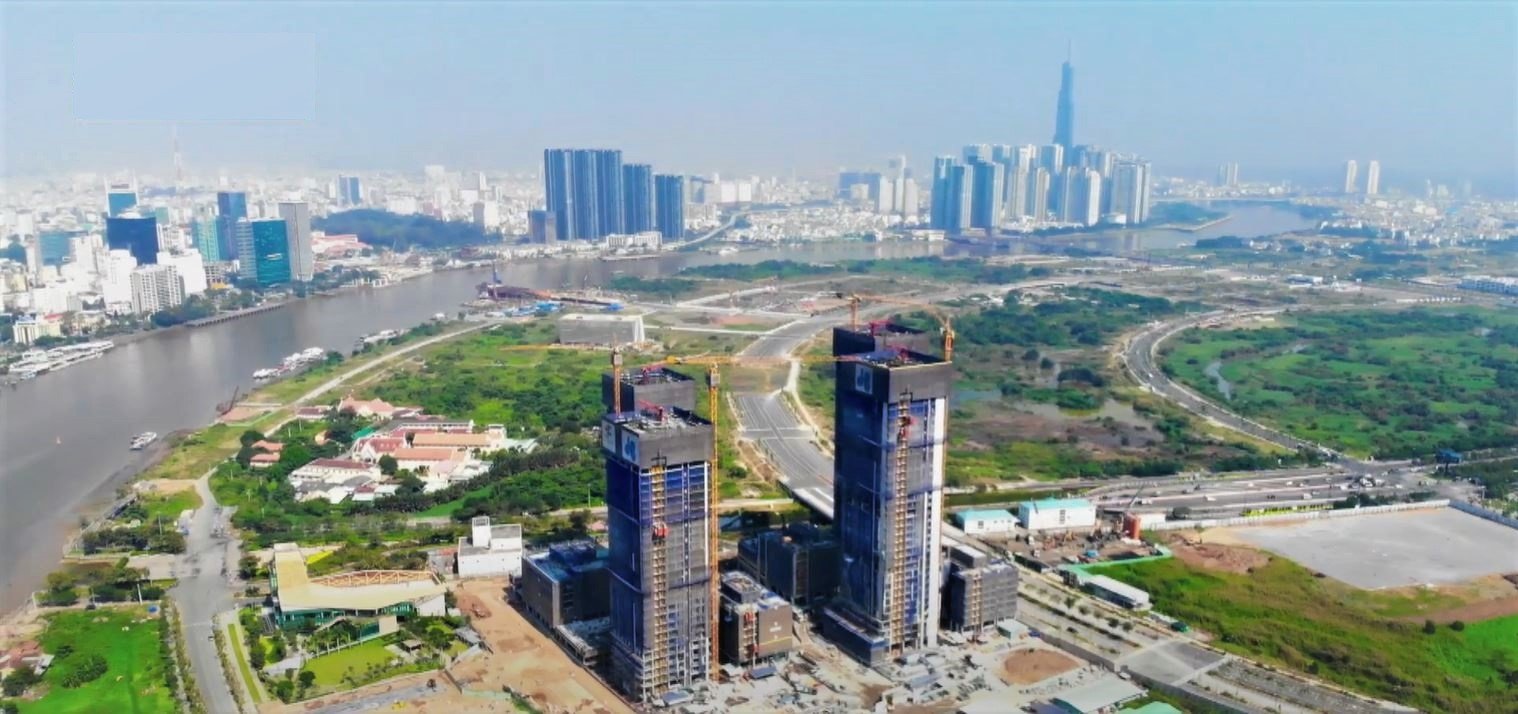
<p>Vietnam's National Assembly on Friday afternoon (20 November) approved amendments to the corporate income tax, non-agricultural land use tax and personal income tax laws, with 475 of the 477 deputies present voting in favour.</p>
<p>The most closely watched change is a new tax on idle land. Land that has been left unused will be taxed at 0.2%, and the usual allowance, under which the portion of land inside a set limit is taxed at a lower rate, will not apply. That means the whole idle area is taxed at the full rate. Whether a plot counts as idle will be decided under land law.</p>
<p>Land used for a purpose other than the one it was allocated for will be taxed at 0.15%. Land in investment projects that are developed in approved phases, as registered by the investor, will be taxed at 0.03%. The taxable area is the area actually used or left idle.</p>
<p>The amended law takes effect on 1 January 2027, but the rules on idle land and land used for the wrong purpose apply only from 1 July 2027.</p>
<p>In its explanatory report to deputies, the government said leaving land idle is already banned under land rules, and that the tax is meant to work alongside other tools such as extra land-use and rental charges, fines and land recovery. Deputies had asked how idle land would be identified and how cases caused by force majeure would be excluded; the government said the revised Land Law being considered at the same session sets out a definition and makes local authorities responsible for detecting and handling idle land.</p>
<p>According to the draft Land Law cited by the government, idle land is land the state has allocated or leased that is not put into use, or whose use is delayed, for a continuous period. For investment projects that leave land unused or slow to develop, the state would collect extra land-use fees or rent that rise each year, and would take the land back if it is still unused after 60 months.</p>
<p>The same law also exempts businesses and resident individuals from income tax on earnings from supplying meals to schools, vocational and higher-education institutions, and hospitals and clinics.</p>
<p>The National Assembly is due to vote on the revised Land Law, Housing Law and Real Estate Business Law on Saturday (21 November), before closing its session.</p>