Politics · Vietnam Bureau
Vietnam traffic police study warnings, not fines, for first-time red-light runners
The Traffic Police Department says a replacement for Decree 168 could separate deliberate red-light running from minor, first-time slips, while keeping today's penalties for dangerous cases.
LSN Vietnam ·
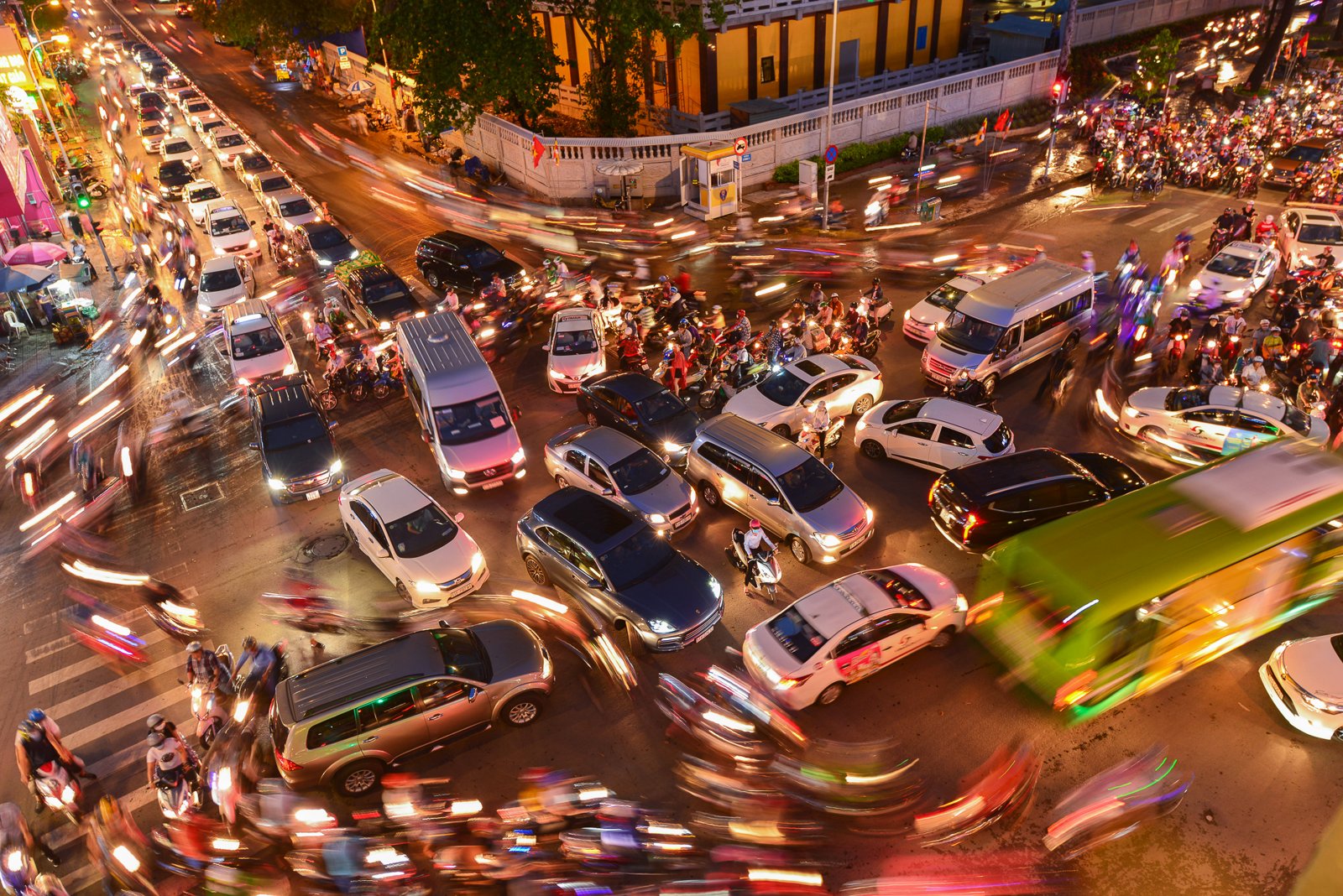
<p>Vietnam's Traffic Police Department (C08) under the Ministry of Public Security says it will study a softer approach for drivers who run a red light for the first time, as it prepares advice on a new decree to replace Decree 168, the country's main rulebook on road traffic fines.</p>
<p>The department said on 17 November that the work follows a draft amendment to the Law on Handling Administrative Violations, which is now before the 16th National Assembly at its second session. Once that law is passed, C08 will help the ministry draft a new government decree to replace Decree 168/2024, which was itself amended this year by Decree 238/2026.</p>
<p>Under the direction C08 described, penalties would be tied more closely to how dangerous a violation actually is, and to how many times a driver has broken the rules. Drivers who deliberately go through after the light has turned red, or who enter a junction on red and block or cut across other traffic, would still face the full fines in force today.</p>
<p>At the same time, the department wants officers to tell such cases apart from situations it called less serious, such as a vehicle already moving when the light turns amber and then stopping, or a driver making a wrong right turn on red without causing danger or blocking traffic.</p>
<p>For a first offence of this kind, or for other minor violations that do not directly cause a crash, C08 said it would study using a formal warning, or a warning combined with points taken off the driving licence, instead of a cash fine. Repeat offenders would face tougher sanctions.</p>
<p>The department also said red-light penalties must rest on electronic data and evidence that pin down exactly what happened and when, so that enforcement is open and hard to dispute. Drivers who reject the recorded data can take the penalty decision to an administrative court.</p>
<p>C08 stressed that the aim of fines is to improve compliance and prevent crashes, not to collect money. It also cautioned that the plan is only a research direction and policy proposal, not a rule in force, and that any change would follow the legal process.</p>
<p>Decree 168, which took effect at the start of 2025, sharply raised fines for many traffic offences, including running red lights, and has been widely debated by motorists since.</p>
<p>Sources: Thanh Nien, Dan Tri, Tien Phong and Bao Xay Dung reports on the Traffic Police Department's statement of 17 November 2026.</p>