World · Vietnam Bureau
Vietnamese students shift focus from US to Asian universities
Mounting tuition costs and stricter visa regulations are redirecting Vietnamese students toward universities in Singapore and Hong Kong. The trend reflects changing calculations about educational investment and career prospects in the region.
LSN Vietnam ·
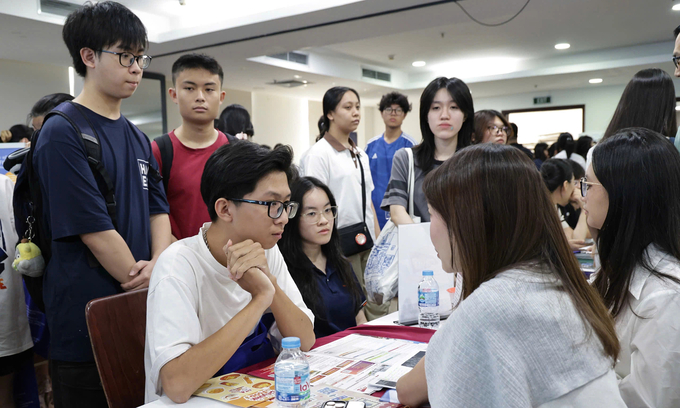
Vietnamese students are increasingly reconsidering the pursuit of higher education in the United States as financial barriers and immigration restrictions mount, according to emerging enrollment patterns across Southeast Asia.
Rising tuition fees at American universities, combined with tightened work authorization rules and stricter visa policies, have made the U.S. option less attractive for many Vietnamese families. Prospective students and their parents are now weighing alternatives within Asia, where universities in Singapore and Hong Kong present more accessible pathways to quality education and regional employment opportunities.
Singapore and Hong Kong have positioned themselves as competitive alternatives, offering strong academic reputations, more favorable visa and post-graduation work conditions, and lower overall costs compared to American institutions. These advantages have resonated particularly with middle-class Vietnamese families seeking value in their educational investments.
The shift underscores broader regional dynamics in student mobility and reflects how policy changes in one market can reshape educational preferences across Asia. Vietnamese enrollment patterns have historically been sensitive to visa accessibility and employment prospects, and current trends suggest that strategic positioning by Asian universities is successfully capturing demand that might previously have flowed westward.
Educational advisors in Vietnam report increased inquiries about Asian universities, signaling what may become a sustained reorientation of student flows in the region's higher education landscape.