Politics · Bangladesh Bureau
Village courts tackle minor disputes before escalation into costly litigation
A grassroots dispute resolution system operating in rural communities offers a faster, more affordable alternative to formal courts. The weekly sessions address local conflicts through community-based mediation.
LSN Bangladesh ·
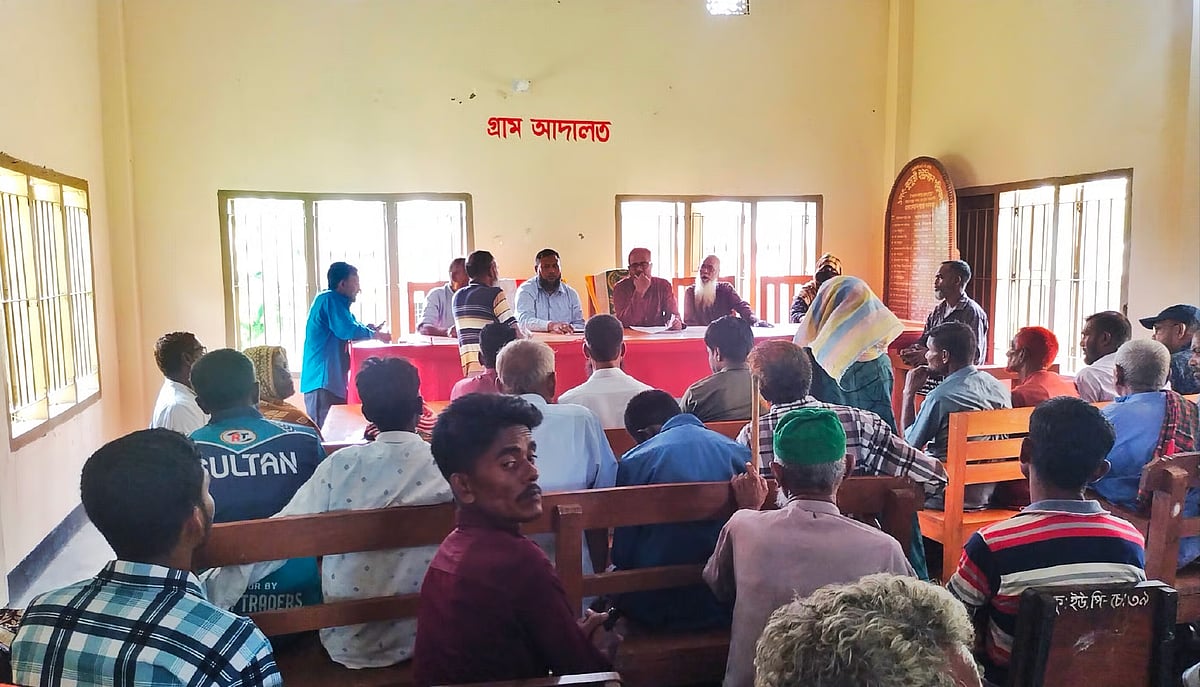
Village courts across rural areas have emerged as an effective mechanism for resolving minor disputes before they develop into protracted legal battles. Convening weekly—typically on Tuesdays—these informal forums handle neighborhood disagreements, property boundary issues, and contractual conflicts that might otherwise burden the formal judicial system.
The system capitalizes on local knowledge and community trust. Village elders, respected residents, and representatives from both disputing parties gather to discuss grievances in a setting familiar to the community. This approach reduces the psychological barriers that often prevent rural residents from seeking resolution through distant district courts.
Dispute resolution through village courts proves significantly faster than formal litigation. Cases that might take months or years in conventional courts can be addressed within weeks. The informal structure also substantially lowers costs for participants, eliminating legal fees and reducing travel expenses associated with accessing district-level courts.
By addressing conflicts at the grassroots level, the village court system prevents minor disagreements from escalating into serious community fractures. The process emphasizes reconciliation and restoration of relationships rather than punitive measures, making it particularly suited to tight-knit rural communities where residents must continue living alongside one another after disputes are resolved.
This decentralized approach to justice has gained recognition as a viable complement to Bangladesh's formal court system, particularly in underserved rural areas where access to conventional legal remedies remains limited.