World · India Bureau
Village in Maharashtra reveres Ravana as protector deity on Dussehra
While most of India burns effigies of Ravana during Dussehra celebrations, a small village in Maharashtra's Akola district observes the festival differently—worshipping the ten-headed demon as a guardian deity rather than burning his effigy.
LSN India ·
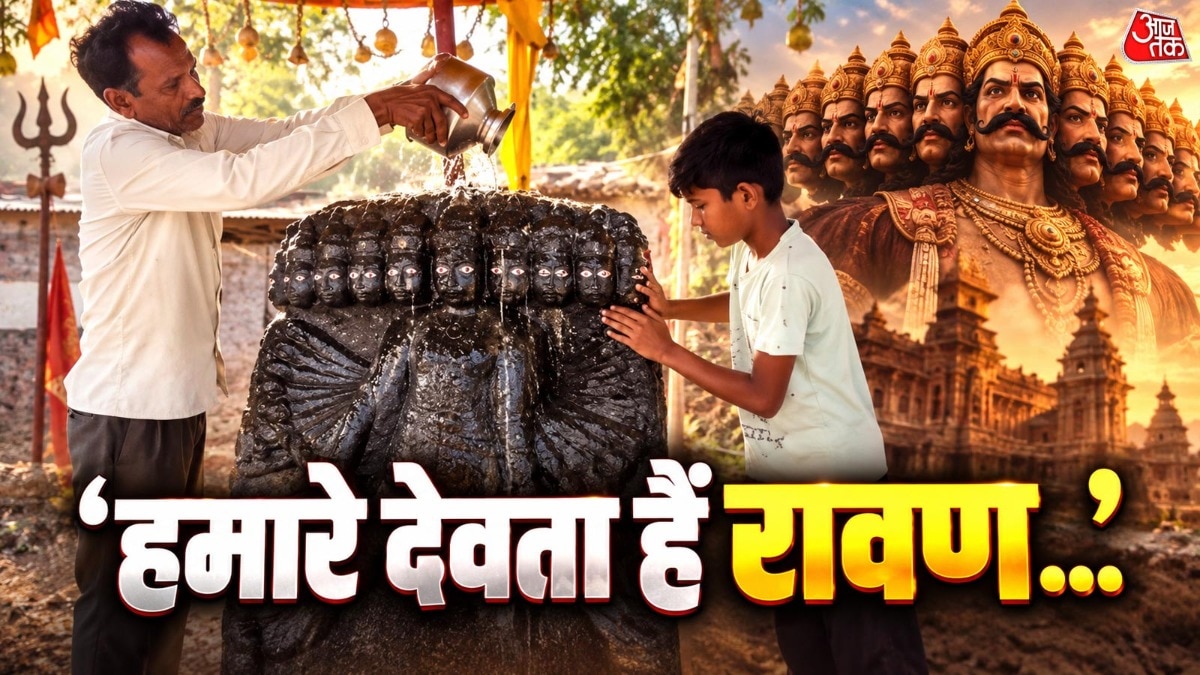
In a striking departure from widespread Dussehra traditions, residents of Sangola village in Patur tehsil of Akola district honor Ravana as a village deity and protector during the annual Hindu festival. Unlike the pan-Indian custom of immolating Ravana's effigy to symbolize the victory of good over evil, the villagers perform religious rituals venerating the ten-headed figure.
The community's veneration of Ravana reflects a distinct cultural practice rooted in local beliefs and traditions. Residents view the demon king not as an antagonist to be condemned, but as a guardian figure whose blessings are sought for the prosperity and welfare of their settlement.
This interpretation of Dussehra underscores the diversity of religious practices across India, where regional and local customs often diverge from pan-Indian observances. The villagers draw parallels between their reverence and historical prosperity, believing their devotion to Ravana contributes to the village's well-being and abundance.
The practice in Sangola village represents one of several communities across India where unconventional Dussehra celebrations reflect distinct mythological interpretations and localized spiritual traditions that have persisted through generations.