Culture & Entertainment · Singapore Bureau
Virtual taekwondo gains traction as non-contact alternative to traditional sport
Digital taekwondo competitions are expanding globally, with supporters praising safety benefits while critics argue the format strips away the essence of combat sports.
LSN Singapore ·
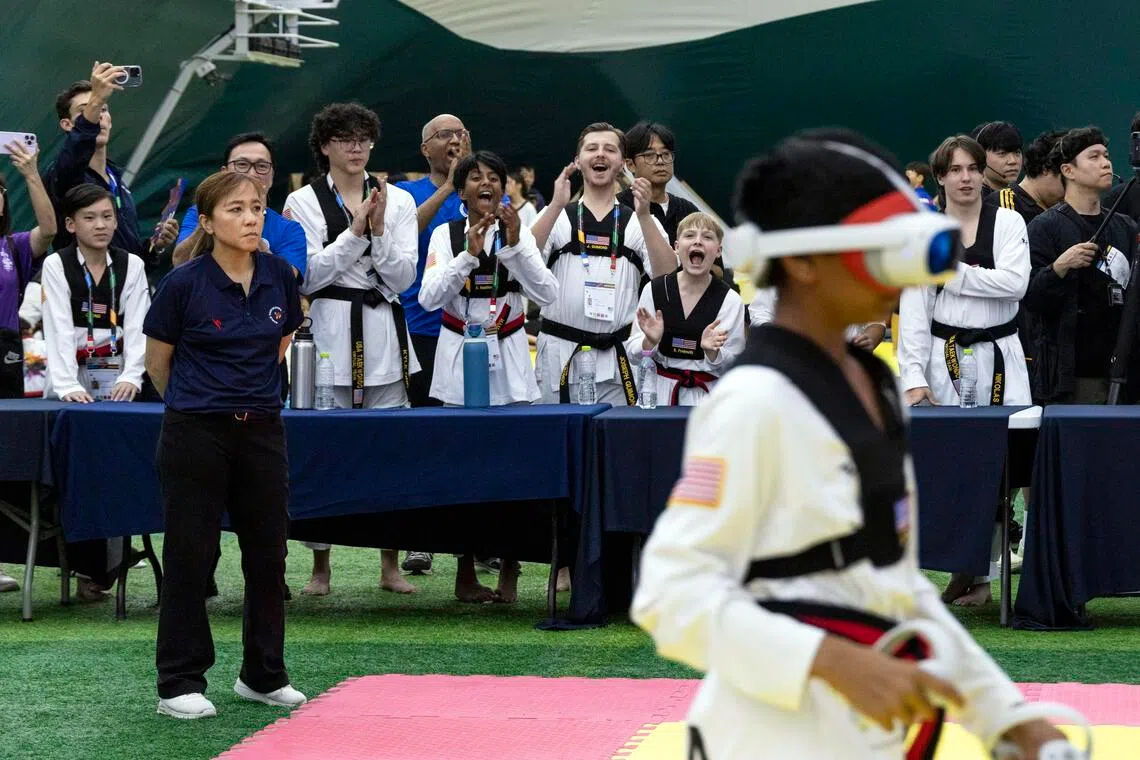
Virtual taekwondo competitions have emerged as a growing trend in combat sports, offering participants a way to compete without physical contact. The digital format uses motion-sensing technology and video platforms to allow athletes to perform techniques that are scored by judges or automated systems, eliminating collision injuries common in traditional taekwondo matches.
Proponents of the virtual format highlight significant safety advantages, particularly for younger athletes and those recovering from injuries. The approach also lowers barriers to participation by reducing training costs and making the sport more accessible to remote areas lacking dedicated facilities. Several regional tournaments have adopted the format in recent years, drawing participation from across South and Southeast Asia.
However, traditionalists have raised concerns that virtual taekwondo fundamentally alters the sport's character. Critics argue that removing physical contact eliminates crucial elements of timing, distance management, and real-time adaptation that define combat sports. They contend the format transforms taekwondo into what amounts to a video game with martial arts movements, rather than preserving the sport's competitive integrity.
The debate reflects broader questions within martial arts communities about how sports evolve with technology. While virtual competitions continue gaining popularity as a supplement to traditional formats, their long-term role in taekwondo remains contested among athletes, coaches, and governing bodies across the region.