World · India Bureau
Visakhapatnam colony's rainwater harvesting mandate eliminates water tanker dependence
JR Nagar in Visakhapatnam has maintained water security for over two decades through a mandatory rainwater harvesting policy implemented in 2010. The colony's residents report never requiring water tanker supply since the infrastructure was put in place.
LSN India ·
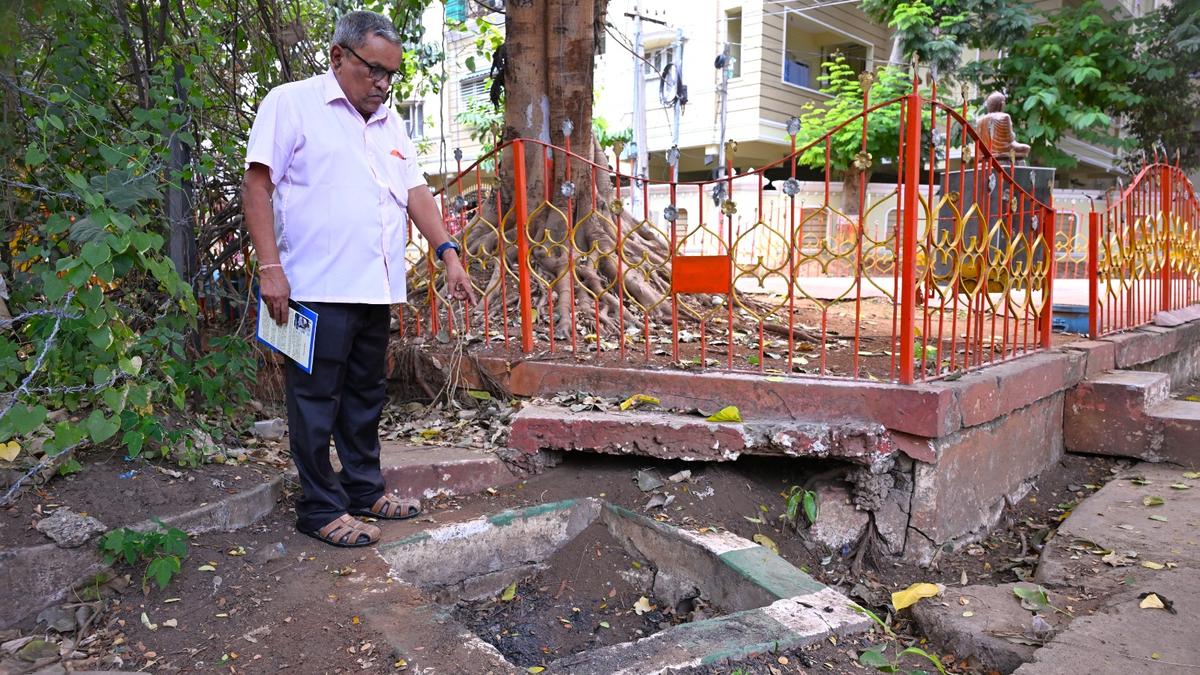
JR Nagar, a residential colony located near Old Venkojipalem in Visakhapatnam, has achieved water self-sufficiency through a pioneering approach to sustainable water management. In 2010, the colony made rainwater harvesting pits mandatory for every building within its boundaries, transforming how residents access water during seasonal shortages.
The decision to implement the policy came as residents grappled with periodic water scarcity. Rather than rely on municipal supply or costly tanker services, the community opted for a decentralized water collection system. Each building constructed designated rainwater harvesting pits designed to capture and store monsoon rains for use during drier months.
The results have been demonstrable. Since the mandatory installation of harvesting infrastructure, JR Nagar residents have reported never needing to purchase water from tanker suppliers, a common practice in many Indian urban areas during water shortages. The wells in the colony have remained adequately charged throughout the year, sustaining both household and community needs.
The colony's success offers a model for other residential areas facing water stress. The approach combines low-cost infrastructure with community participation, requiring no dependency on external water sources once the initial systems are established. Experts note that similar rainwater harvesting mandates could address water security challenges in other water-stressed Indian cities, particularly in semi-arid regions prone to erratic monsoons.