World · India Bureau
Visakhapatnam faces alarming groundwater depletion crisis
Groundwater levels in Visakhapatnam district have plummeted by nearly 3.86 metres over the past year, with six villages now drawing water from depths exceeding 20 metres. Authorities attribute the sharp decline to severe rainfall deficiency, unregulated borewell extraction, and urbanization blocking natural recharge.
LSN India ·
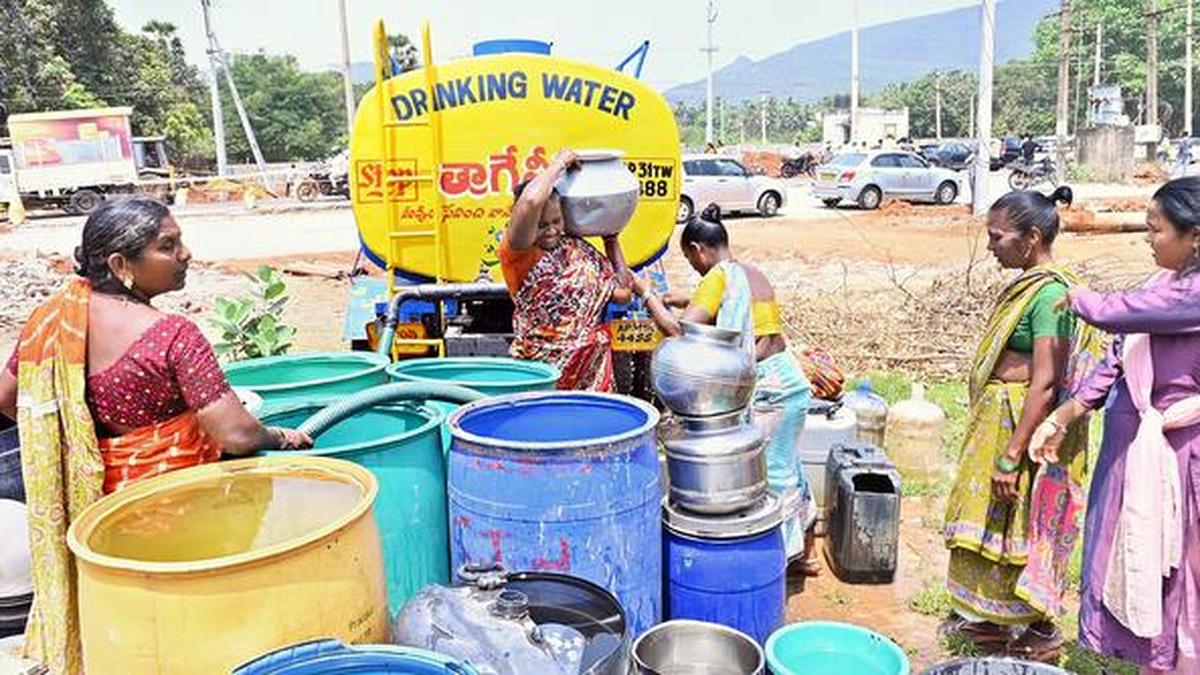
The water table in Visakhapatnam district has reached critical levels, signalling an emerging crisis for the region's drinking water security. According to the District Ground Water Officer K. Pushpalatha, the decline of 3.86 metres in a single year represents a concerning trend that demands immediate intervention.
Three primary factors are driving the depletion, officials said. A 47.89 percent rainfall deficit has severely limited natural recharge of groundwater reserves. Simultaneously, heavy extraction through borewells for agricultural and domestic use has outpaced nature's replenishment capacity. Urban expansion, marked by extensive concrete construction, has further reduced infiltration by blocking rainwater from percolating into underground aquifers.
The situation is most acute in six villages where water levels have fallen beyond the 20-metre mark, making extraction increasingly difficult and costly. A broader assessment reveals that 135 habitations face moderate stress, with 39 urban wards in Visakhapatnam city and 96 rural areas registering water depths between six and 20 metres. This middle tier, though not yet critical, indicates the problem is spreading across both urban and agricultural zones.
District authorities are assessing options to address the crisis, including potential restrictions on borewell usage, promotion of water conservation practices, and infrastructure development for artificial recharge systems. Officials have urged residents to adopt water-saving measures while emphasizing the need for long-term groundwater management strategies.