Politics · India Bureau
Visual journalism key to forcing government accountability, says veteran photojournalist
Veteran photojournalist B.M. Kedarnath has underscored the critical role of press photography in exposing ground realities and compelling governments to respond to pressing public concerns. His remarks highlight the enduring power of visual reportage in driving policy action.
LSN India ·
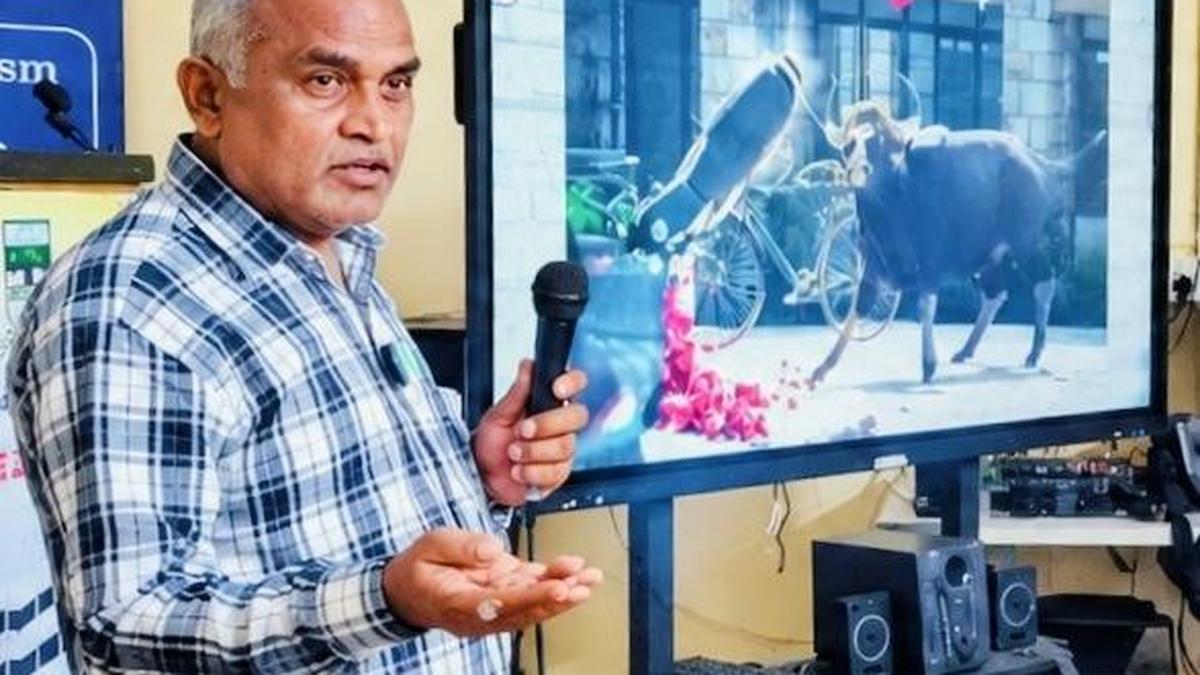
Senior photojournalist B.M. Kedarnath has emphasized the essential contribution of press photography in bringing about government intervention on critical public issues. Speaking on the role of visual journalism, Kedarnath stressed that photographs captured by press professionals serve as powerful documentation of on-ground realities that might otherwise remain obscured from public view.
According to Kedarnath, the visual evidence provided by photojournalists functions as a catalyst for administrative action. By presenting irrefutable visual records of social problems, infrastructure failures, environmental degradation, and other matters of public concern, press photographs create pressure on government bodies to acknowledge and address these issues.
The remarks underscore the continued importance of photojournalism in India's media ecosystem at a time when visual content dominates information consumption. Kedarnath's assessment reflects the broader understanding within journalism circles that photographic evidence often succeeds in galvanizing policy responses where written reports alone may not generate sufficient momentum.
As Indian media grapples with evolving challenges around access, safety, and digital transformation, veterans like Kedarnath continue to advocate for the foundational role of credible visual reportage in sustaining democratic accountability and public engagement with governance issues.