World · India Bureau
Vitamin K injection at birth critical to prevent infant bleeding: Study
A major research study involving over 5.2 million newborns has found that infants who do not receive a vitamin K injection at birth face significantly elevated risks of bleeding complications during their first six months of life.
LSN India ·
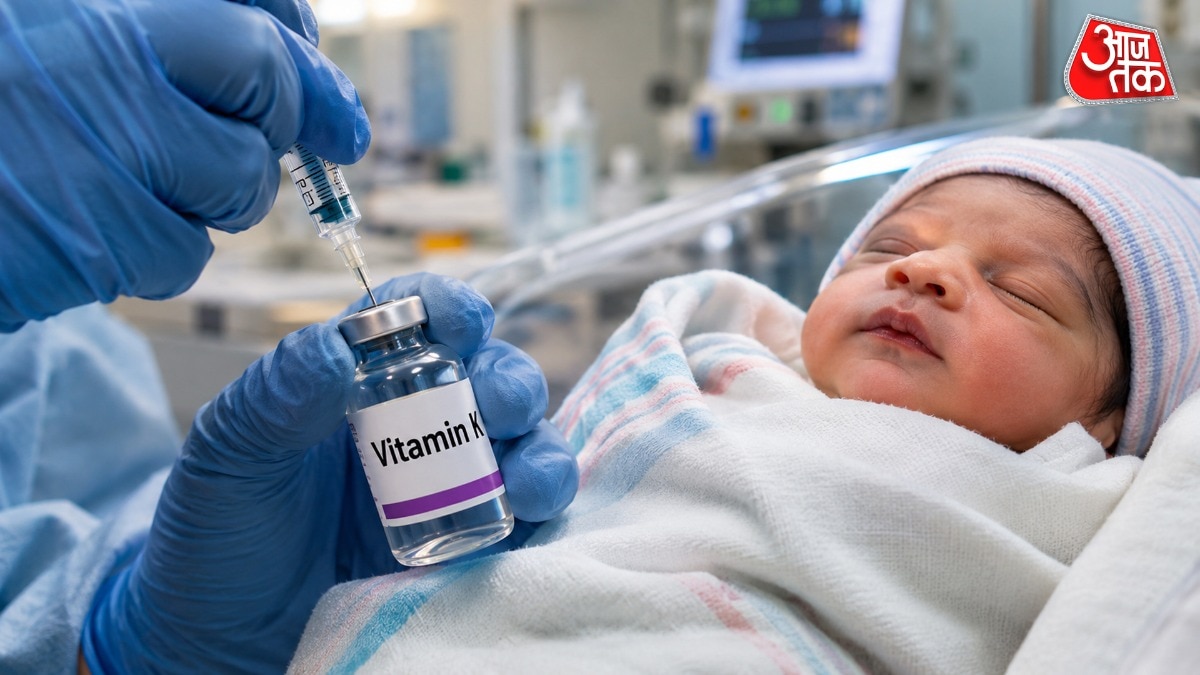
Newborns who miss the vitamin K injection administered at birth are 47 per cent more likely to experience bleeding disorders in the first six months of life, according to findings from a large-scale research study, highlighting the critical importance of this routine preventive measure.
The research, which examined data from over 5.2 million newborns, revealed that the absence of vitamin K prophylaxis places infants at substantially higher risk of serious hemorrhagic complications. Most alarming, the study found that unvaccinated newborns face a 2.4-fold increased risk of intracranial bleeding—potentially life-threatening bleeding within the brain.
Vitamin K deficiency bleeding, also known as haemorrhagic disease of the newborn, is a preventable condition that can cause severe morbidity and mortality. The vitamin K injection, administered as part of standard newborn care protocols, addresses a temporary deficiency in vitamin K that exists in newborns before their intestinal flora becomes established.
Health experts emphasize that the vitamin K injection remains a cornerstone of newborn preventive care across medical systems worldwide. Parents and caregivers are advised to ensure their newborns receive this essential injection as part of immediate postnatal care to safeguard against life-threatening bleeding complications.