World · India Bureau
Volunteers unlock 255,000 weather records from 19th-century naval archives
A collaborative effort has successfully digitized thousands of meteorological observations from historical naval logs, providing scientists with invaluable climate data spanning the 1800s. The recovered records are expected to enhance understanding of historical weather patterns and climate trends.
LSN India ·
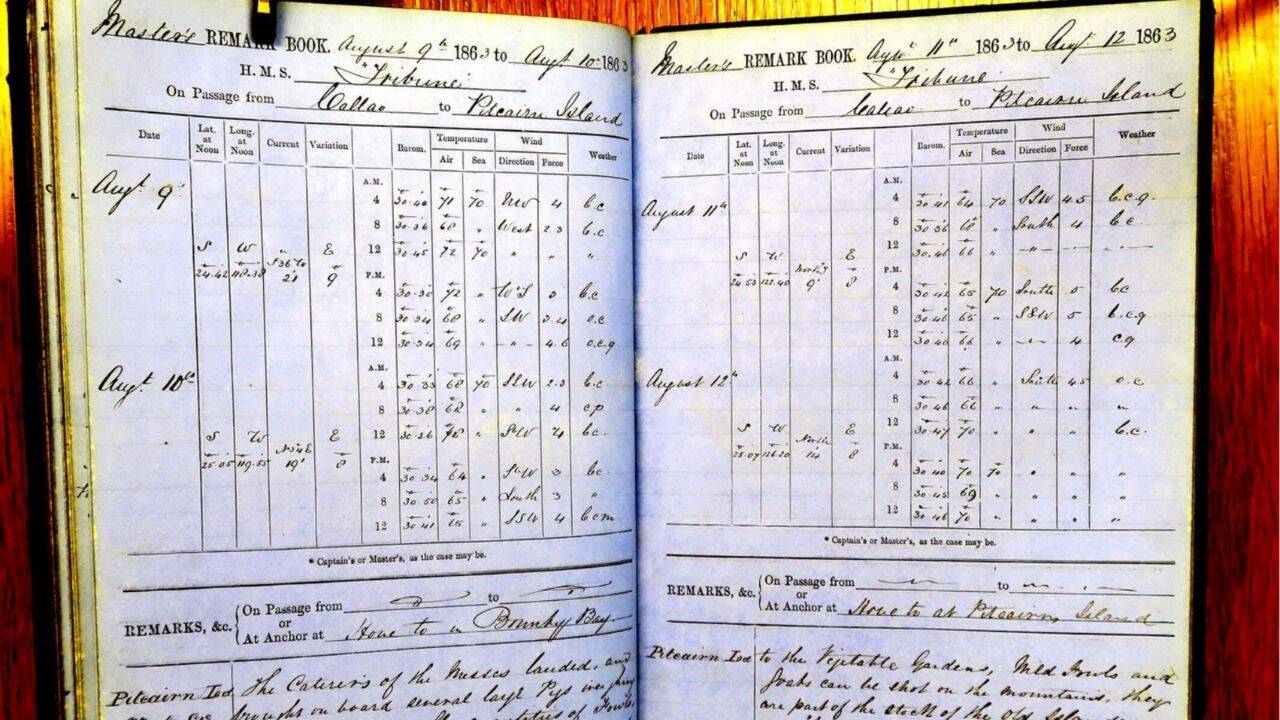
Volunteer researchers have completed the painstaking work of extracting and cataloguing 255,000 weather observations from 19th-century naval logbooks, representing a significant addition to historical climate databases. The records, sourced from maritime logs maintained across 19 different naval vessels during extended voyages, contain detailed atmospheric measurements and weather conditions recorded by ship officers during their journeys.
The digitization project represents an important bridge between historical meteorological knowledge and modern climate science. These naval logs, meticulously maintained during long sea voyages, offer a rare window into global weather patterns during a period when systematic weather monitoring was limited to coastal stations and major ports. The observations include temperature readings, barometric pressure, wind patterns, and precipitation data collected across diverse ocean regions.
Climate researchers have long recognized the value of such historical records in reconstructing past weather systems and identifying long-term climatic trends. By converting these handwritten entries into digital formats, scientists gain access to previously difficult-to-analyze data that can improve climate models and enhance understanding of atmospheric variations over the past two centuries.
The completion of this recovery project underscores the growing recognition that amateur historians and trained volunteers play a crucial role in preserving and cataloguing historical scientific records. Many such archives remain locked in physical documents, inaccessible to researchers who could leverage them to advance environmental and climate studies across South and Southeast Asia and beyond.