World · World News Bureau
Voter Turnout Gap Could Shape US Midterm Election Outcomes
With roughly half of eligible American voters expected to sit out the midterm elections, analysts are examining which demographic groups are most likely to cast ballots and how abstention patterns could influence results.
LSN World News ·
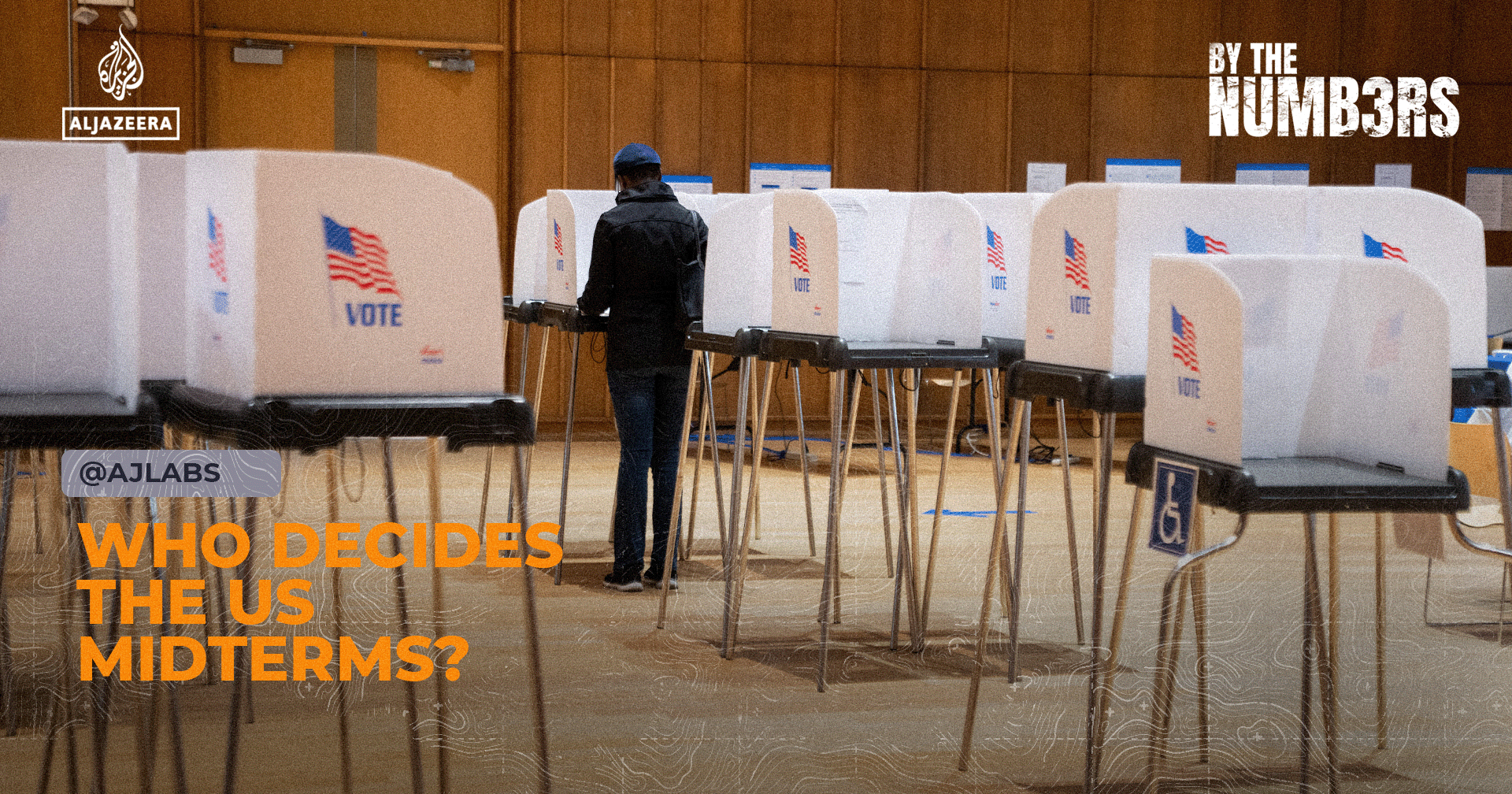
The midterm elections remain one of the most consequential votes in the American political calendar, yet participation rates tell a stark story about democratic engagement. Approximately 50 percent of voters eligible to cast ballots typically skip these contests, creating a vastly different electorate than what appears in presidential election years when turnout can exceed 60 percent.
Demographic patterns reveal significant disparities in midterm participation. Younger voters, Hispanic and Asian American communities, and lower-income households consistently show lower turnout rates compared to older, white, and more affluent voters. Political analysts note that this participation gap has profound implications for which issues gain prominence and which candidates ultimately prevail in competitive races.
Historically, midterm elections punish the party holding the presidency, a trend often attributed to lower enthusiasm among the incumbent party's base voters. When combined with uneven turnout across demographic groups, this dynamic can amplify electoral swings and reshape legislative priorities in Washington.
Political strategists from both major parties have intensified efforts to mobilize their respective bases ahead of midterm contests, recognizing that victory margins in key races may ultimately be determined not by persuading undecided voters, but by which side succeeds in driving their supporters to the polls. Election officials have similarly expanded early voting and mail-in ballot options in attempts to broaden participation.