World · India Bureau
Waning HIV stigma fuels surge in STI cases among Kerala youth
As fear of HIV diminishes, sexually transmitted infections are rising among young people in Kerala, with state health facilities reporting steady increases in patient numbers. Health authorities are raising alarm as changing sexual behaviour patterns expose vulnerable populations to preventable infections.
LSN India ·
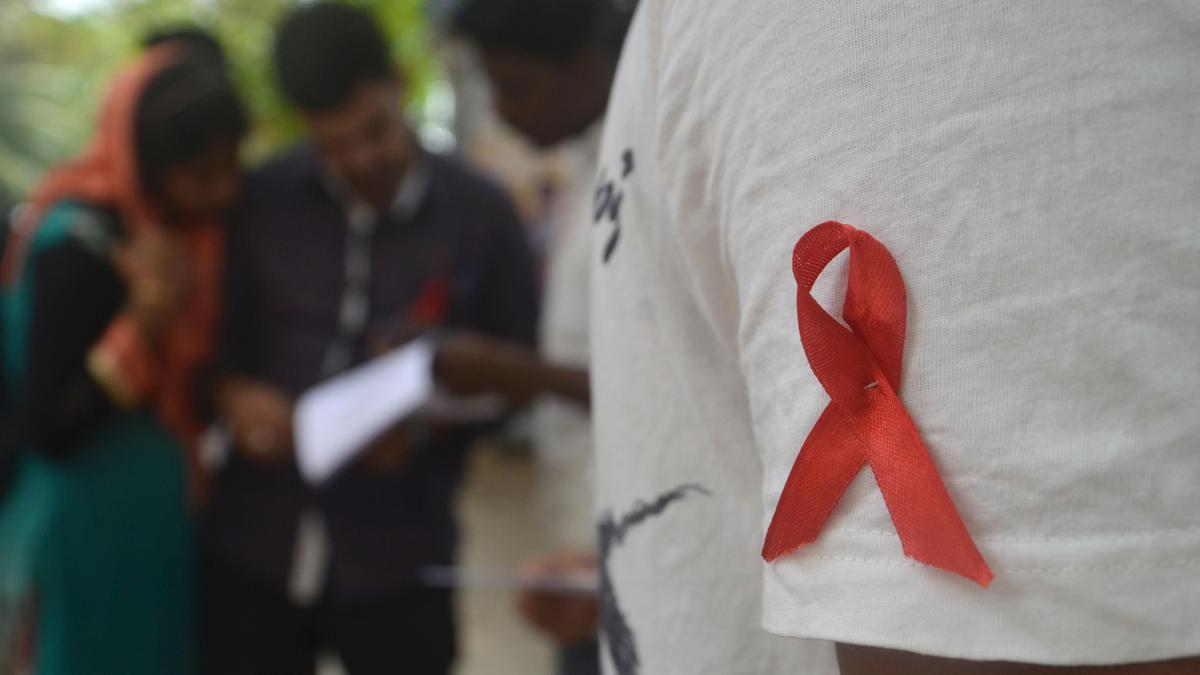
Kerala's District STI/RTI Centres are witnessing a notable uptick in cases as younger populations increasingly overlook risks associated with sexually transmitted infections, health officials report. The 23 centres operating under the Kerala State AIDS Control Society have documented rising patient numbers in recent months, reflecting shifts in youth sexual behaviour and attitudes toward infection prevention.
Experts attribute the trend partly to diminishing awareness about HIV transmission risks. Once viewed as a severe deterrent against unsafe sexual practices, the virus no longer carries the same cautionary weight among younger demographics, allowing risky behaviour to flourish unchecked. This perception shift has created a gap in preventive health practices, leaving youth vulnerable to a broader spectrum of infections.
The changing epidemiological landscape underscores the need for renewed public health messaging. Beyond HIV, sexually transmitted infections including chlamydia, gonorrhoea, and other bacterial and viral conditions pose significant health risks when left untreated, potentially causing long-term complications including infertility and chronic health conditions.
Health officials emphasize that comprehensive sex education, accessible testing facilities, and destigmatization of STI care remain critical to reversing the trend. As the world marks World Sexual Health Day on September 4, Kerala's experience highlights the imperative for sustained awareness campaigns and robust healthcare infrastructure to protect young populations from preventable infections.