World · World News Bureau
War in Lebanon disrupts vital routines for neurodivergent youth
Medical experts warn that armed conflict poses particular challenges for young people with autism and ADHD, who depend on structured daily routines for stability and wellbeing. The escalating situation in Lebanon has forced many neurodivergent individuals to abandon therapeutic schedules and coping mechanisms.
LSN World News ·
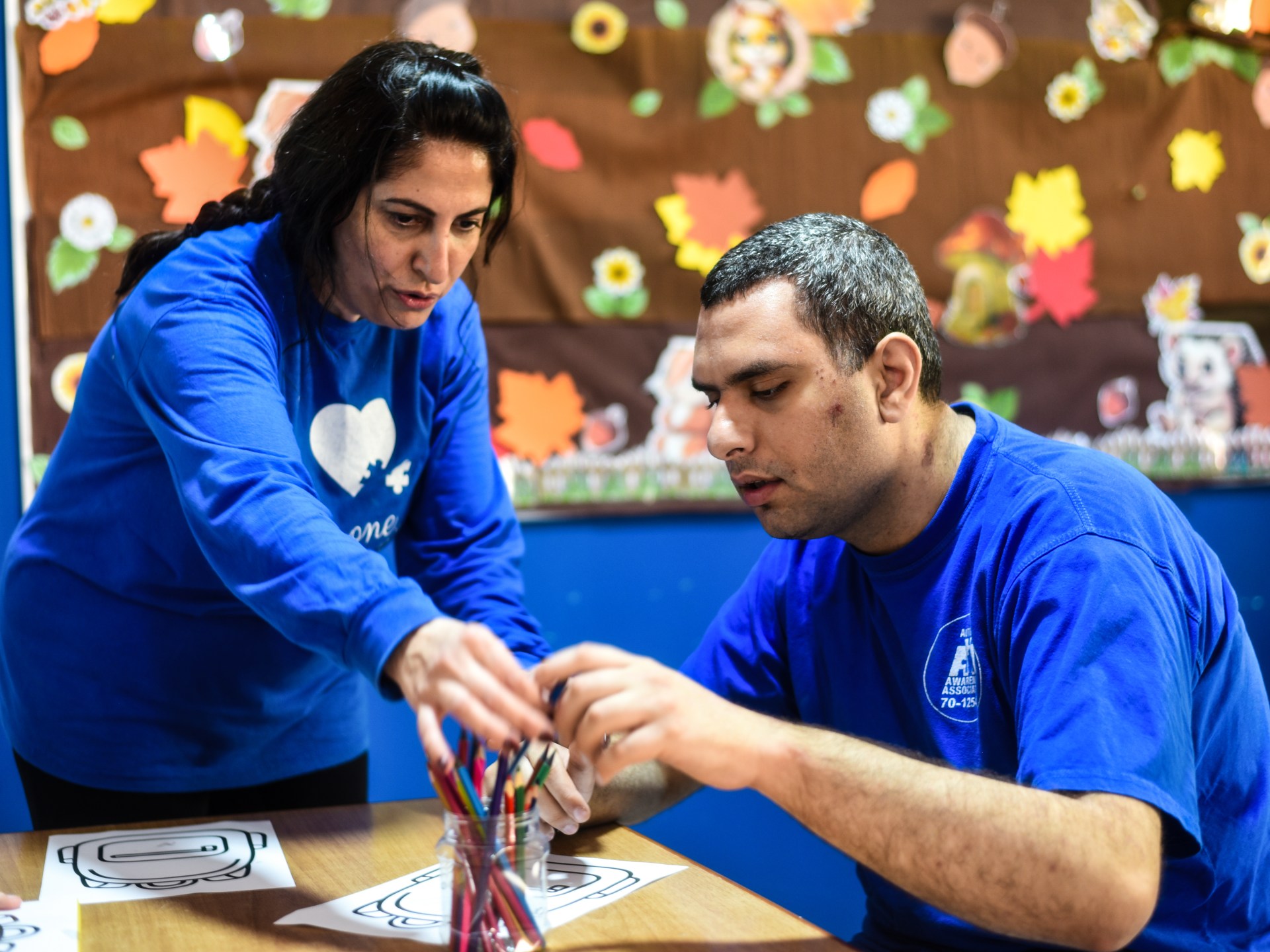
Healthcare professionals across the region are raising alarm about the disproportionate impact of conflict on neurodivergent populations, particularly those managing autism spectrum disorder and attention deficit hyperactivity disorder. Research indicates that individuals with these conditions rely heavily on predictable routines, structured environments, and established support systems to maintain emotional regulation and manage symptoms effectively.
The ongoing military operations in Lebanon have disrupted these critical frameworks. Schools have closed, therapy sessions have been cancelled, and families have been forced to relocate or shelter in place, eliminating the consistent schedules that neurodivergent individuals depend upon. Mental health specialists report increased anxiety, behavioral difficulties, and regression in previously achieved developmental milestones among affected youth.
Beyond immediate psychological effects, the conflict has strained access to specialized medications and professional support services. Many clinics have reduced operating hours or relocated, forcing families to navigate fragmented care systems during periods of heightened stress. Experts emphasize that the cumulative effect of routine disruption, environmental uncertainty, and interrupted treatment creates compounding challenges for vulnerable populations already managing neurological differences.
Medical organizations are advocating for humanitarian corridors that prioritize continued access to mental health services and therapeutic support for neurodivergent individuals. They warn that failure to address these specific needs during conflict periods could result in long-term developmental consequences for an entire generation of young people.