World · India Bureau
Washington battles record invasive crab outbreak despite eradication efforts
Washington state has captured over 2.16 million invasive European green crabs in the past fiscal year, marking a record haul in an ongoing battle against the species. Despite substantial investment, experts caution that the invasion remains far from contained.
LSN India ·
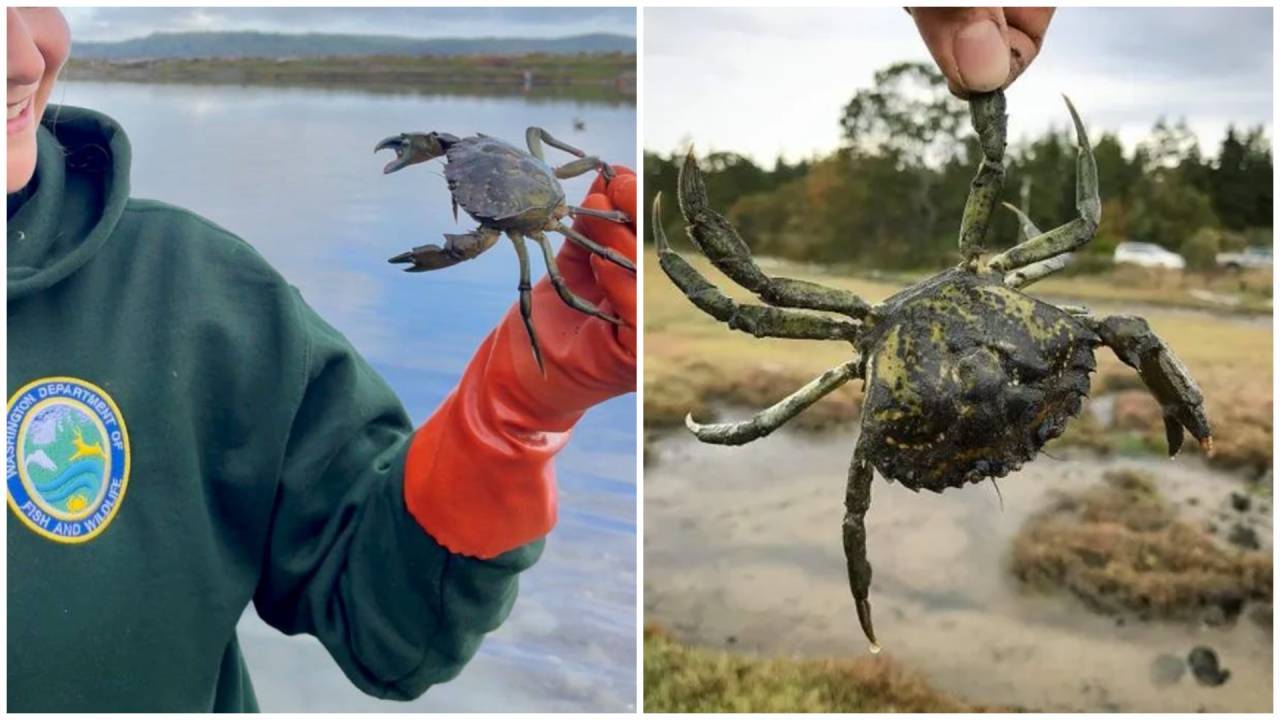
Washington state's environmental authorities removed more than 2.16 million invasive European green crabs during fiscal year 2025-26, according to latest reports. The figure represents the highest removal rate since the species was first detected in the state in 2016, underscoring the scale of the ecological challenge facing the region.
The European green crab poses a significant threat to Washington's marine ecosystem. The invasive species preys on native clams, oysters and eelgrass, potentially destabilising the delicate balance of coastal habitats that support both marine biodiversity and commercial fisheries. Scientists have expressed concern about the cascading effects the crabs could have on the broader marine food chain.
Despite aggressive removal efforts backed by over $8 million in state funding, researchers warn that no established populations have been successfully eradicated. The ongoing expansion of the crab's range suggests that current containment measures, while intensive, may be insufficient to reverse the invasion trajectory. Experts have flagged the possibility of further population growth if intervention strategies are not substantially enhanced.
The findings highlight the challenges inherent in combating invasive species once they become established in new environments. Wildlife authorities continue to employ various removal techniques and monitoring systems, yet the sheer reproduction rate and adaptive capacity of the species present formidable obstacles to complete elimination. State officials have indicated that long-term, sustained funding and research will be essential to manage the threat effectively.