Culture & Entertainment · India Bureau
Water-efficient ragi cultivation method gains traction in Karnataka
Farmers in Haveri district are adopting the 'Guli Ragi' technique to boost yields while conserving water. An online awareness programme scheduled for September 23 aims to promote the water-saving cultivation method across the region.
LSN India ·
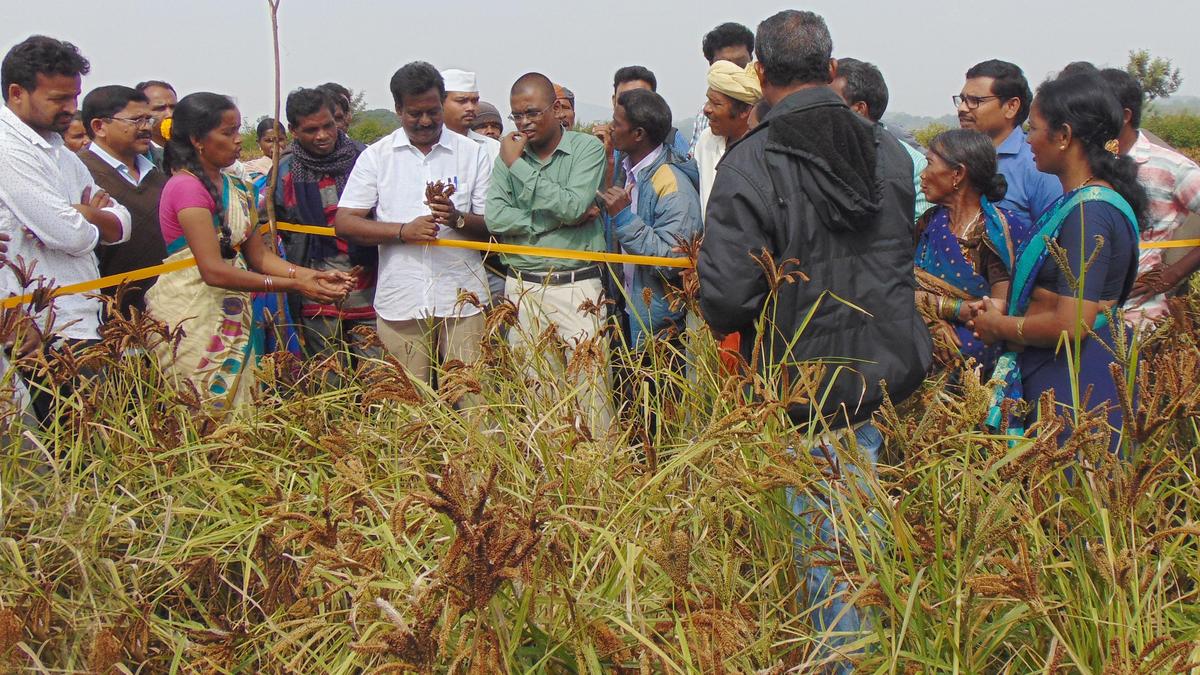
Farmers in parts of Haveri district in Karnataka have demonstrated the effectiveness of the 'Guli Ragi' cultivation method, achieving yields of approximately 20 quintals per acre—a significant improvement over the traditional approach that typically yields around 15 quintals per acre.
The 'Guli Ragi' technique represents an advancement in finger millet farming that prioritises water conservation without compromising productivity. As water scarcity becomes an increasingly critical challenge for agricultural communities across India, the method offers a practical solution for farmers seeking to optimise resource utilisation.
To expand awareness and adoption of this cultivation practice, agricultural authorities have organised an online awareness programme scheduled for September 23. The initiative aims to educate farmers across the region about the advantages and implementation of the water-efficient method.
The programme comes at a time when sustainable farming practices are gaining prominence among agricultural stakeholders. Finger millet, commonly known as ragi, remains an important staple crop in South India, serving both nutritional and economic purposes for farming communities. The demonstration of improved yields through enhanced techniques could encourage broader adoption across Karnataka and neighbouring regions.