World · India Bureau
Water-filled bottles offer low-cost daytime lighting solution for Indian homes
A simple and cost-effective technique using water-filled plastic bottles can brighten interior rooms during daylight hours without electricity. The method, based on a 26-year-old principle known as the Moser lamp, is gaining attention as a practical solution for reducing energy consumption in homes across India.
LSN India ·
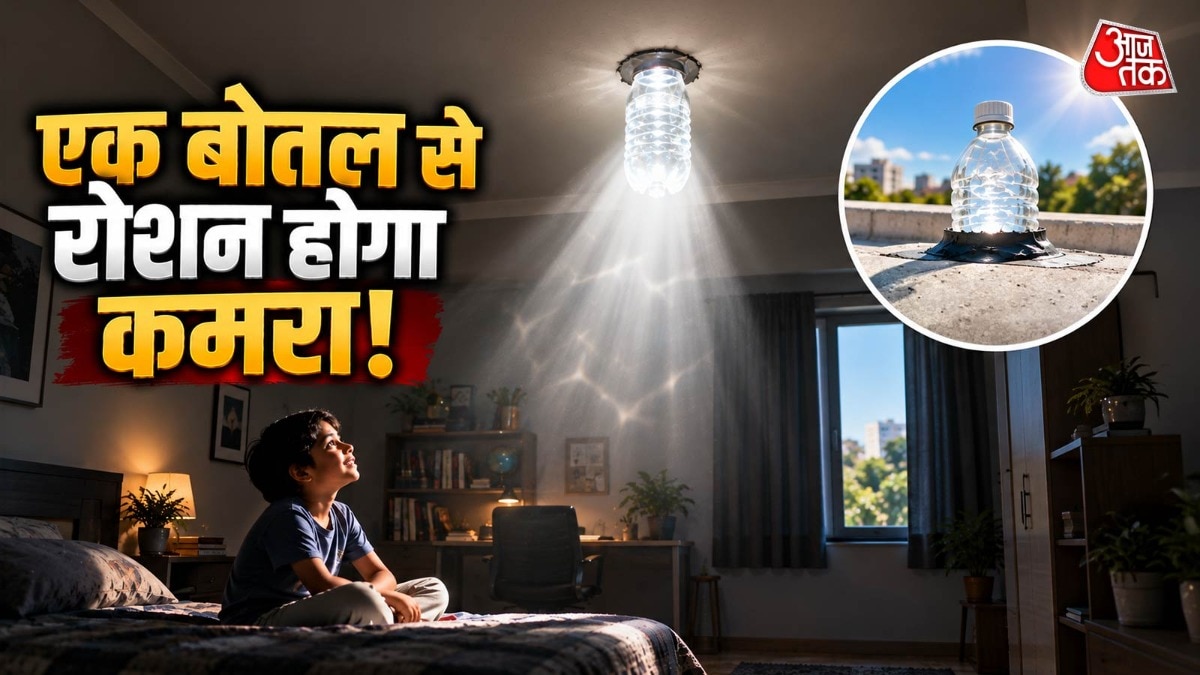
Households struggling with frequent power cuts or high electricity bills are turning to an ingenious low-tech solution: placing water-filled plastic bottles on rooftops to direct natural sunlight into dark interior spaces. The technique works by refraction, where sunlight passing through the water-filled bottles is bent and dispersed into rooms below, creating a diffuse natural light source without any electrical input.
The concept, which has been in use for approximately 26 years, is commonly referred to as the Moser lamp, named after its originator. The method is particularly effective in regions where daytime electricity usage is common due to inadequate natural light penetration in multi-storey buildings or rooms without direct window access.
The installation process is straightforward: transparent plastic bottles are filled with water and positioned on the roof or upper floor of a building, with the bottles arranged to channel sunlight downward through ceiling apertures into the rooms below. The refraction properties of water and the transparent plastic create a concentration of natural light that can illuminate a room comparable to a 40 to 60-watt incandescent bulb.
Energy experts note that while the method cannot completely replace electric lighting, particularly during evening hours or in winter months with reduced daylight, it can significantly reduce daytime electricity consumption in homes and small workspaces. The solution requires minimal investment and maintenance, making it accessible to low-income households across India seeking to reduce their energy costs.