World · India Bureau
Water's role in Hindu death rituals underscores ancestral reverence tradition
Hindu scholars emphasize that water offerings remain an integral component of Shraddha ceremonies honoring deceased ancestors. The ritual of Tarpan, involving water libations accompanied by recitation of the departed's name and lineage, holds particular significance in ensuring proper completion of funeral rites.
LSN India ·
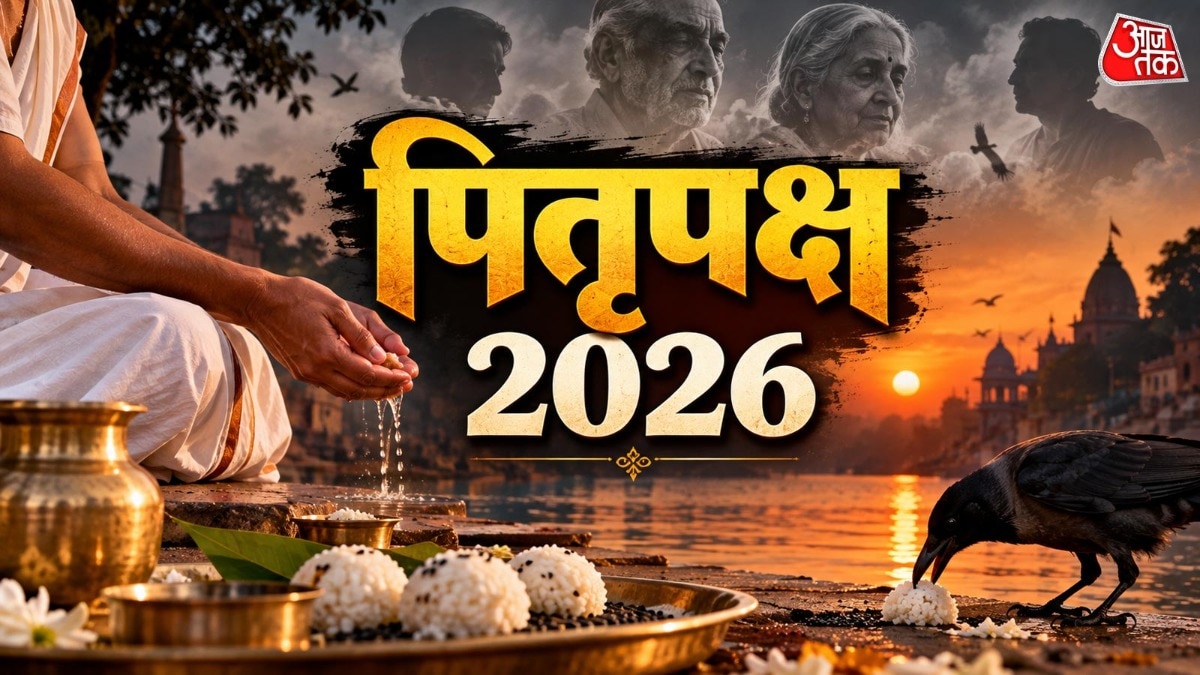
During the annual Shraddha period, many Hindu families invite Brahmin priests to their homes to offer meals in the names of deceased relatives. However, ritual experts note that the accompanying water offering—a practice steeped in ancient tradition—frequently receives less attention than the meal component itself.
According to Hindu ceremonial traditions, water holds equal importance to food in Shraddha observances. The practice of Tarpan involves the ritualistic offering of water while respectfully invoking the departed ancestor's name and family lineage, or Gotra. This dual offering is believed to provide spiritual nourishment and honor to the deceased.
The significance of water in these ceremonies traces back to ancient Hindu texts and the legendary narrative of Bhagiratha, the king credited with bringing the sacred Ganges River to earth through rigorous spiritual devotion. This mythological foundation underscores water's sanctified role in Hindu funerary practices.
Ritual specialists emphasize that Shraddha rites should incorporate both food offerings and water libations to be considered complete. The combination ensures that all aspects of ancestral reverence are properly addressed, fulfilling the ceremonial obligations toward the deceased and maintaining family spiritual continuity.