Politics · India Bureau
Wayanad landslide survivors await promised rehabilitation as delays persist
Thirteen Adivasi families displaced by the devastating Wayanad landslides remain in limbo, unable to return to their forest homes or access promised alternative accommodation. Some subsist on government rental assistance in urban areas, while others have returned to forest settlements as reconstruction efforts stall.
LSN India ·
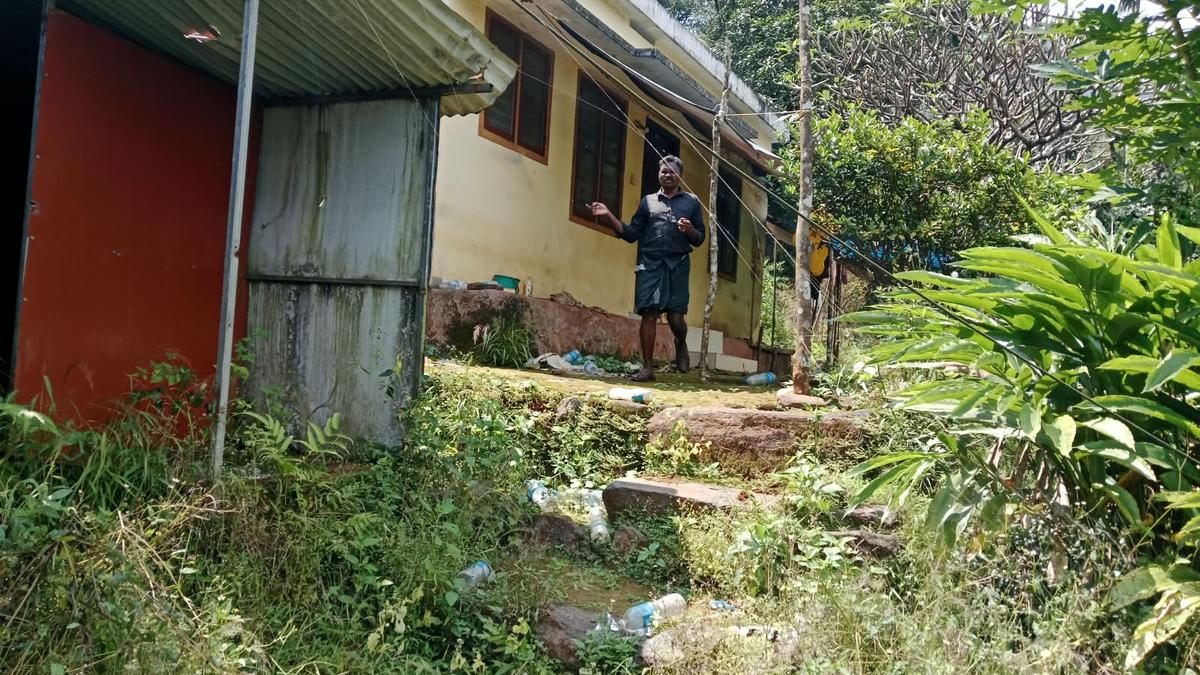
The Wayanad landslides of July 2024 claimed hundreds of lives and displaced thousands, but for a cluster of Adivasi families, the disaster's aftermath continues as a prolonged crisis. Despite township rehabilitation projects advancing in some areas, thirteen families remain trapped in bureaucratic delays, their futures uncertain as promised housing construction has yet to commence.
Under the Forest Rights Act, 2006, alternative land was allocated to these displaced families in Puthiyavillage, Meppadi, where new homes were to be constructed. However, over half a year later, no construction has begun. The families face a stark choice: remain in rented urban accommodation provided with government assistance—severing ties to their forest environment and traditional livelihoods—or return to makeshift forest settlements without permanent shelter.
Those who have opted to return to the forest live in precarious conditions, cut off from essential services and access to markets for forest produce that traditionally sustained their communities. Meanwhile, those in rented housing struggle with cultural displacement and the loss of income-generating activities intrinsically linked to forest life. Local officials have acknowledged the delays but provided no concrete timeline for construction commencement.
The stalled rehabilitation highlights the gap between policy frameworks and ground-level implementation in post-disaster recovery efforts. Adivasi advocacy groups have called for expedited construction and meaningful consultation with affected families to ensure rehabilitation aligns with their cultural and economic needs rather than imposing uniform urban resettlement models.