Business · Malaysia Bureau
Waymo to launch paid robotaxi service in Singapore by 2028
Google's autonomous vehicle unit plans to offer driverless rides through its own dedicated app in Singapore, marking a distinct strategy from Chinese competitors already operating in the city-state.
LSN Malaysia ·
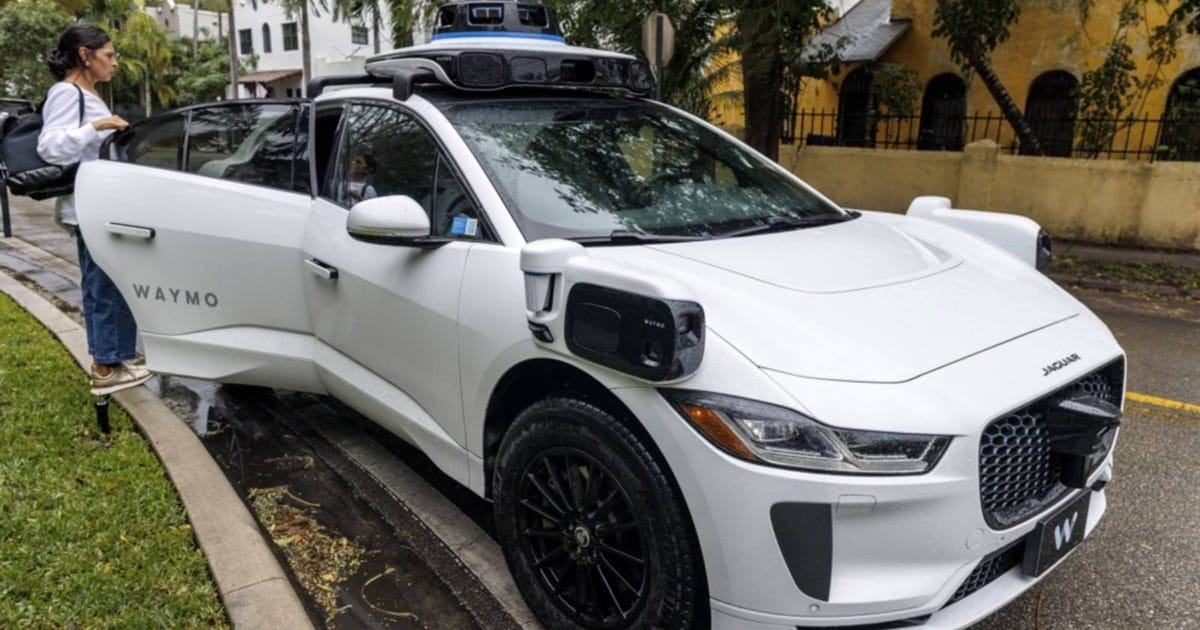
Waymo has announced plans to introduce paid robotaxi services in Singapore by 2028, positioning itself as a major player in Southeast Asia's autonomous vehicle market. The company intends to operate rides through its own proprietary application, differentiating its approach from rival autonomous vehicle operators already active in the region.
Chinese autonomous driving companies WeRide and Pony AI have taken alternative routes to market entry, partnering with established local ride-hailing platforms Grab and ComfortDelGro respectively. These partnerships allow the Chinese firms to leverage existing customer bases and infrastructure rather than building independent service ecosystems.
Waymo's decision to develop its own app-based platform reflects the company's broader strategy of controlling the end-user experience while establishing its brand directly with Singapore consumers. The move aligns with Waymo's operational model in other markets, where the company maintains direct relationships with riders.
Singapore has emerged as a testing ground for autonomous vehicle technologies in Asia, with its regulated environment and advanced infrastructure attracting multiple international players. The city-state's supportive regulatory framework has enabled rapid deployment of self-driving taxi services, with Chinese competitors already conducting commercial operations.
Waymo's entry into Singapore's robotaxi market by 2028 would intensify competition in the sector and potentially accelerate the adoption of driverless transportation across Southeast Asia. The timeline aligns with the company's broader regional expansion plans as autonomous vehicle technology matures commercially.