World · India Bureau
Weak monsoon threatens Rajasthan's kharif harvest outlook for 2026
Rajasthan faces the prospect of lower kharif crop yields in 2026 as deficient monsoon rainfall weighs on agricultural output. While some crops may benefit, key staples including bajra and guar are expected to see significant production declines.
LSN India ·
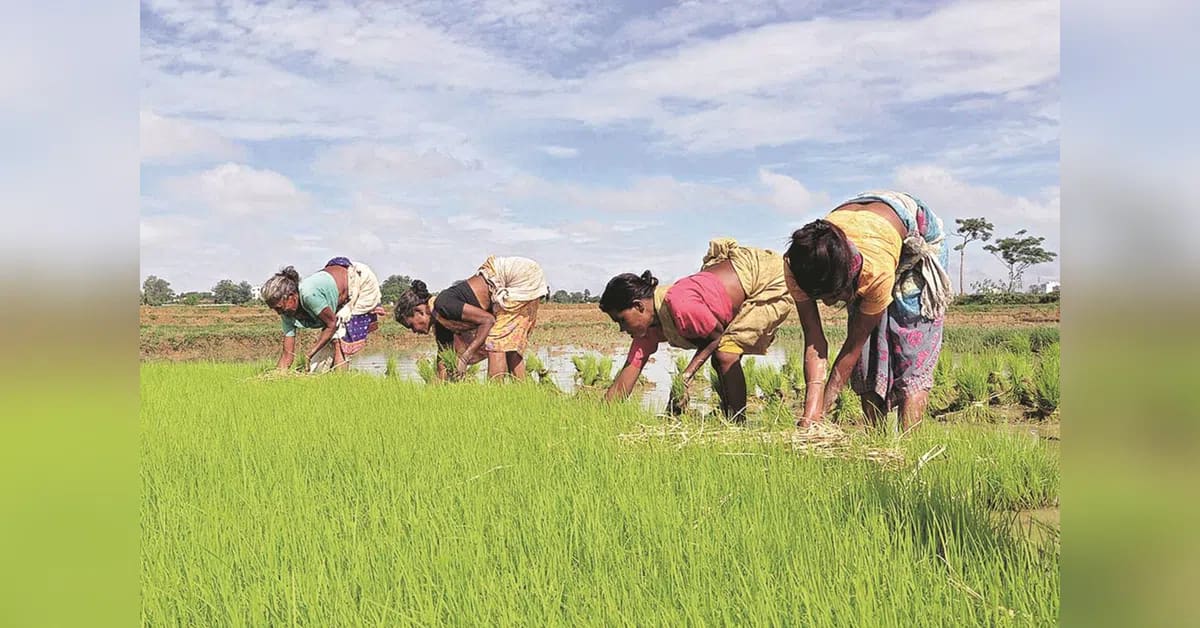
Rajasthan's kharif season production is anticipated to contract in 2026 due to inadequate monsoon precipitation across the state, potentially disrupting the agricultural output that forms the backbone of the region's rural economy.
Among the cereals and pulses traditionally cultivated during the monsoon-driven kharif season, bajra—a drought-resistant millet staple—and guar, widely used in industrial applications and livestock feed, are projected to experience notable production shortfalls. The decline stems directly from insufficient rainfall needed to sustain these crops through their growing cycles.
In contrast, groundnut cultivation is expected to buck the trend, with projections indicating improved output despite the broader rainfall deficit. This divergence reflects variations in water requirements and growing patterns across different crop varieties cultivated in Rajasthan's semi-arid landscape.
The state's agricultural sector remains vulnerable to monsoon fluctuations, with deficient rainfall historically correlating to reduced yields and potential strain on food security and farmer incomes. Agricultural authorities have begun assessing the extent of the rainfall shortfall and its implications for the upcoming harvest season.