World · India Bureau
Weather-based crop insurance scheme questioned after poor areca payouts
A Shivamogga MP has raised concerns about the effectiveness of weather-indexed crop insurance, citing inadequate compensation received by areca growers in the region. The criticism highlights ongoing questions about whether the insurance mechanism adequately protects farmers against climate-related losses.
LSN India ·
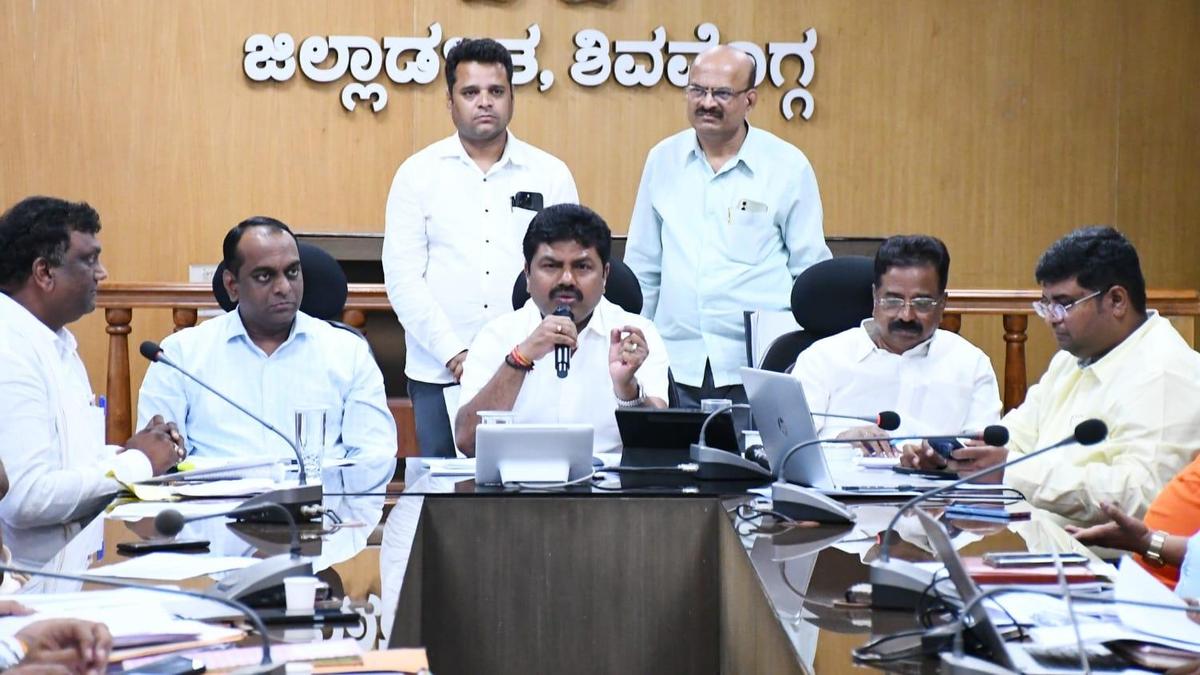
The MP representing Shivamogga constituency has publicly questioned the viability of weather-based crop insurance schemes following reports of minimal payouts to areca nut cultivators in Karnataka. The criticism underscores a broader debate about whether weather-indexed insurance products genuinely safeguard farmer incomes or merely provide nominal financial relief during crop failures.
Areca growers in the region have reportedly received meagre claims despite experiencing significant losses attributable to adverse weather conditions. The disparity between actual crop damage and insurance compensation has prompted the legislator to scrutinize the design and implementation of the weather-based insurance framework, raising doubts about its effectiveness as a risk management tool for agricultural communities.
Weather-indexed crop insurance operates by making payments based on predetermined weather parameters rather than individual farm assessments. While proponents argue the mechanism reduces administrative costs and speeds up claim settlements, critics contend the standardized approach often fails to account for localized crop damage and leaves farmers inadequately compensated during genuine agricultural crises.
The Shivamogga MP's concerns reflect growing farmer dissatisfaction with insurance schemes across southern India, where traditional plantation crops like areca remain vulnerable to climate variability. Agricultural experts and policymakers are increasingly examining whether current weather-based models require structural reforms to better align payouts with actual farming losses.