World · India Bureau
Weimar's Fall: How Cultural Rifts Eroded Democratic Foundations
A fresh historical examination reveals how cultural polarisation, alongside political extremism and institutional weakness, dismantled Germany's first democratic experiment in the early 20th century. The lessons remain strikingly relevant for contemporary democracies.
LSN India ·
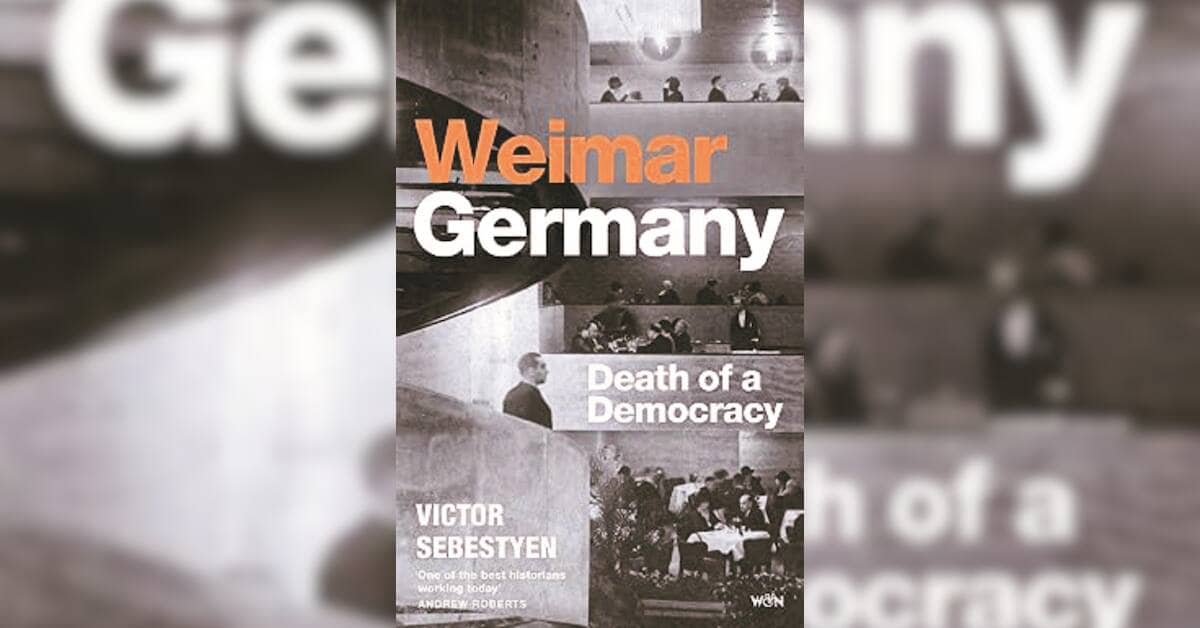
Historian Victor Sebestyen's analysis of Weimar Germany traces the trajectory of Europe's first major democratic collapse, identifying cultural conflict as a decisive factor alongside more traditionally cited causes. The study suggests that deep societal divisions over values and identity, when combined with political radicalism and fragile institutional safeguards, created conditions ripe for authoritarianism.
The Weimar Republic, established following Germany's defeat in World War I, emerged as a beacon of democratic promise during the 1920s. However, the era was marked by profound disagreements over national identity, artistic expression, religious values and social modernisation. These cultural fault lines became increasingly weaponised by political movements, transforming ordinary citizens into antagonistic camps.
Sebestyen's work highlights how polarisation weakened faith in democratic institutions themselves. Rather than viewing democratic processes as neutral arbiters of competing interests, Germans increasingly saw them as tools for cultural enemies. Extremist parties capitalised on these divisions, offering stark alternatives to perceived cultural decay and national humiliation.
The research underscores how institutional resilience matters profoundly. Weimar's constitutional framework, though theoretically robust, lacked sufficient social consensus and cross-party commitment to survive sustained pressure. When cultural grievances overwhelmed shared civic bonds, the democratic order proved vulnerable to systemic collapse.