Business · India Bureau
West Asia tensions push Jindal Steel to pivot strategy amid freight surge
Jindal Steel is targeting output expansion to 12-12.5 million tonnes by FY28 while navigating doubled freight costs triggered by Middle East conflicts. The steelmaker plans to strengthen its export footprint through value-added products as global market conditions remain challenging.
LSN India ·
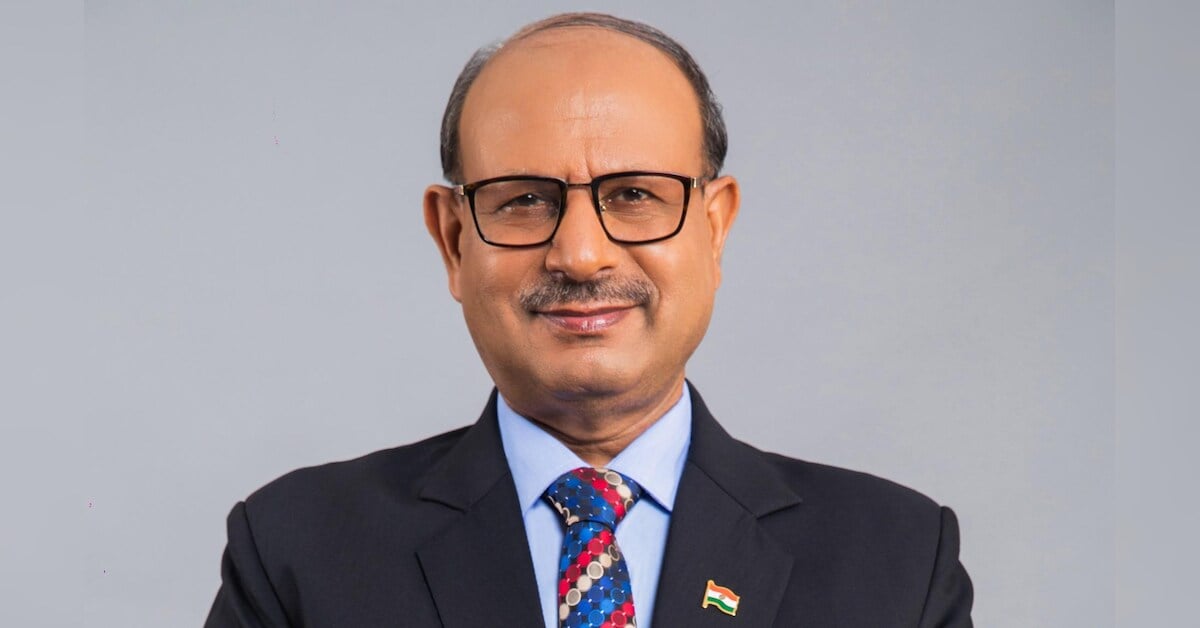
Jindal Steel and Power Ltd is charting an ambitious growth trajectory even as geopolitical tensions in West Asia have significantly impacted its operational economics. Managing Director V R Sharma attributed the doubling of freight costs to disruptions stemming from the ongoing conflict in the region, forcing the company to recalibrate its production and export strategies.
The steelmaker has set its sights on raising annual production capacity to 12-12.5 million tonnes by fiscal 2028, a marked expansion from current levels. This growth plan hinges on a strategic shift towards higher-margin value-added steel products, which are less susceptible to commodity price volatility and offer better returns in an increasingly competitive global marketplace.
Export markets remain a critical component of Jindal Steel's expansion blueprint. The company is positioning itself to capture greater market share internationally despite headwinds from elevated logistics costs and softer global demand conditions. The focus on premium product segments is intended to offset margin pressures arising from elevated freight expenses.
Industry observers note that Indian steelmakers have faced mounting challenges from supply chain disruptions and elevated transportation costs following escalation of Middle East tensions. Several shipping routes through the region have become costlier and riskier, forcing manufacturers to seek alternative logistics pathways or absorb higher expenses. Jindal Steel's strategy reflects a broader industry response to these structural cost pressures while maintaining growth ambitions.