World · India Bureau
West Bengal AAR rules actual-cost electricity recovery exempt from GST
The West Bengal Authority for Advance Rulings has clarified that electricity charges recovered at actual cost without markup can be excluded from maintenance service valuations for GST purposes. The ruling applies to common areas and HVAC systems in residential and commercial complexes.
LSN India ·
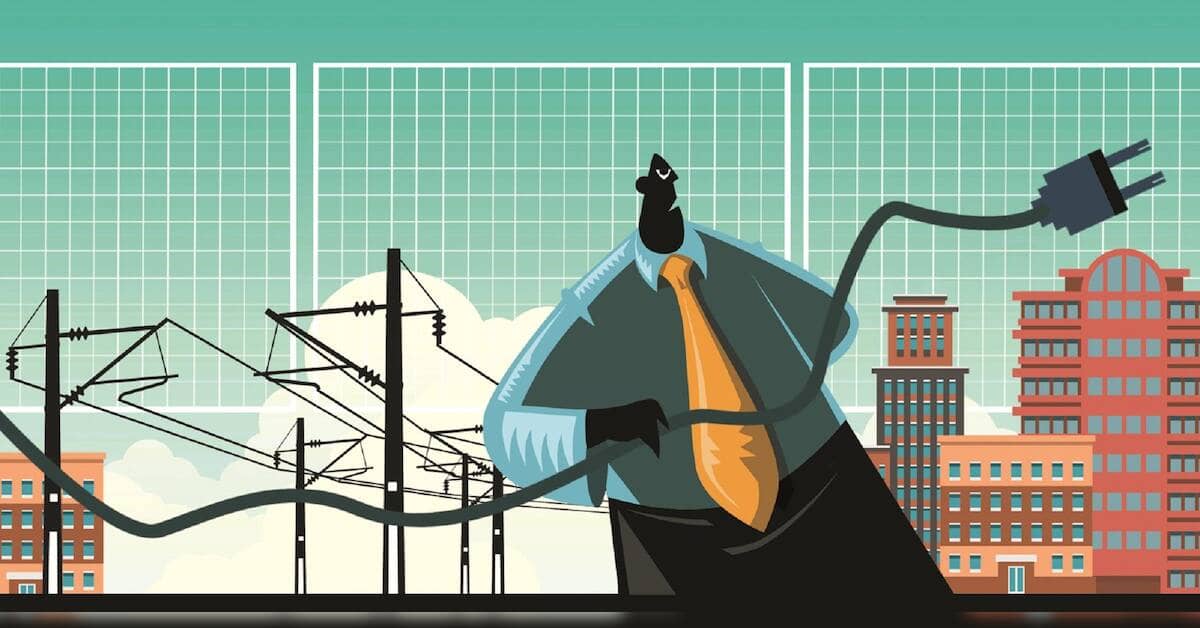
The West Bengal Authority for Advance Rulings (AAR) has provided clarity on GST treatment of electricity cost recovery in maintenance service charges, ruling that actual-cost electricity charges are not liable to tax when recovered without markup or profit.
According to the authority's determination, electricity charges recovered by building management or maintenance service providers for common areas and heating, ventilation, and air conditioning (HVAC) systems can be excluded from the taxable value of maintenance services. The exemption applies specifically when such charges are recovered at cost without any additional profit margin or administrative markup.
The ruling addresses a common practice in residential societies, commercial complexes, and office buildings where electricity expenses for shared spaces are recovered from occupants as part of maintenance charges. By clarifying that these pass-through costs need not be included in the taxable service value, the AAR has provided relief to property management entities and building associations across the state.
This determination is expected to reduce the GST burden on maintenance service charges and provide clarity to administrators managing multi-unit residential or commercial properties. The ruling aligns with the principle that GST should apply to the value addition provided by the service provider, not to costs merely recovered on a pass-through basis.
Property managers and building associations seeking similar relief in other jurisdictions may cite this ruling as precedent, though advance rulings are typically binding only on the specific assessee and transaction in question.