Politics · India Bureau
West Bengal clears land for BSF border infrastructure expansion
West Bengal has approved land allocation for Border Security Force operations, marking a significant shift in the state's approach to India's border management. The move highlights both the strategic importance of the Bengal frontier and longstanding tensions over land acquisition policies.
LSN India ·
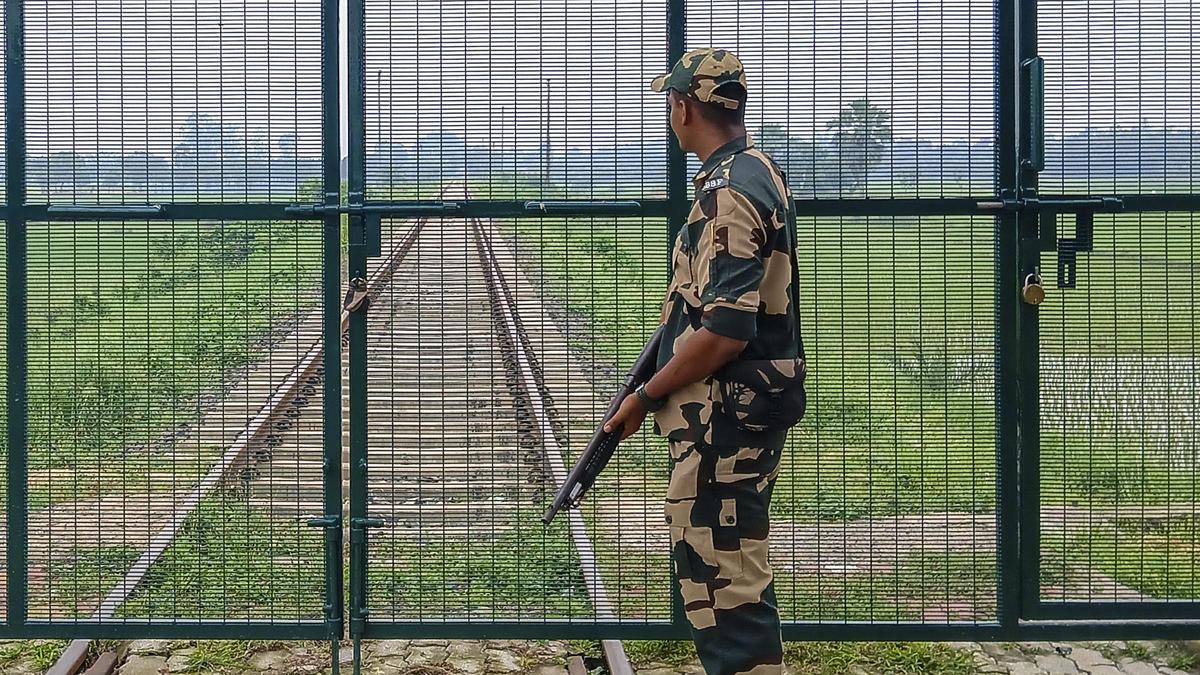
West Bengal's decision to clear land for Border Security Force (BSF) infrastructure represents a notable development in India's border fencing and security operations along its eastern frontier. The state, which shares sensitive international boundaries with Bangladesh and has historically demonstrated reluctance toward large-scale land acquisitions for security purposes, has now facilitated the allocation needed for expanded BSF facilities and border infrastructure projects.
The Bengal frontier occupies a crucial position in India's border management strategy. Spanning over 4,000 kilometers, the state's boundaries with Bangladesh present complex challenges related to infiltration, smuggling, and transnational crime. Enhanced BSF infrastructure is intended to strengthen surveillance capabilities and operational efficiency along this strategically vital corridor, where terrain and population density create distinctive security concerns compared to other Indian borders.
The land clearance decision reflects evolving policy considerations at both state and central government levels. West Bengal's previous resistance to such acquisitions stemmed partly from concerns about rehabilitation of displaced persons and agricultural land loss in densely populated regions. The current approval suggests modified approaches to balancing border security imperatives with stakeholder concerns, though questions remain regarding rehabilitation frameworks and long-term community impact.
Policy experts note that the clearance represents a test case for implementing border infrastructure projects in densely settled areas. Success in West Bengal could influence approaches to similar initiatives across other states sharing international boundaries, particularly where population density and agricultural dependence complicate land acquisition processes typically less contentious in remote border regions.