Culture & Entertainment · India Bureau
West Bengal government's Durga Puja guidelines spark tradition debate
New state directives on the festival have reignited discussions about religious practices and cultural preservation in India's premier autumn celebration. The guidelines reflect shifting political priorities in how Bengal's most significant festival is regulated.
LSN India ·
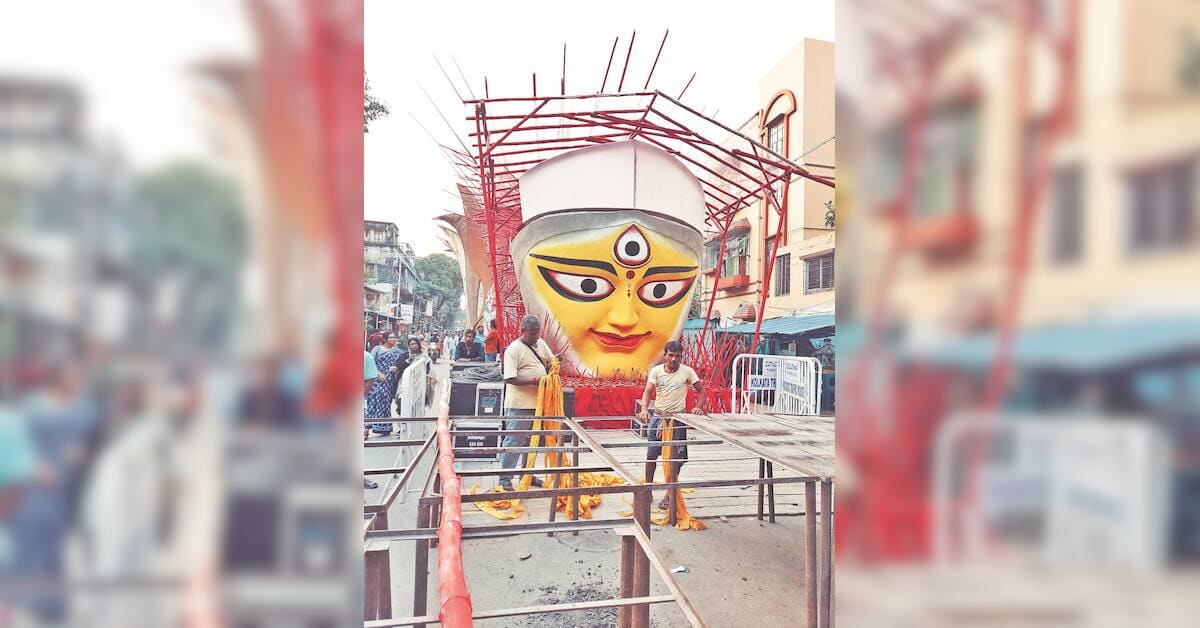
West Bengal's government has issued fresh guidelines governing the organization of Durga Puja, the state's most significant cultural and religious festival, prompting renewed conversation about tradition, regulation, and political influence over centuries-old observances.
The new directives have drawn attention to how state administration intersects with festival celebrations, with particular focus on practices traditionally central to the five-day festival. The guidelines appear to reflect contemporary policy priorities of the ruling dispensation, sparking discussions among community organizers, cultural commentators, and residents about the appropriate role of government in shaping religious and cultural practices.
Durga Puja, observed across Bengal and by Bengali communities nationwide during autumn, represents far more than a religious occasion—it functions as the primary canvas for Bengali cultural identity. The state government's regulatory approach has intensified debate about whether such interventions protect heritage or reshape traditions to align with specific ideological frameworks.
Organizers and cultural custodians have begun reassessing how guidelines may influence festival customs that have evolved over generations. The discourse reflects broader tensions in contemporary India about balancing administrative authority with community autonomy in managing religious and cultural spaces.
As the festival season approaches, the guidelines are expected to influence how thousands of Durga Puja committees across Bengal structure their celebrations, making the regulatory framework's practical implications increasingly apparent.