World · India Bureau
Western Freight Corridor completion promises 60% transit time reduction
The completion of India's Western Freight Corridor is expected to significantly slash cargo movement times across the region. Container operators, however, say railway reforms are essential to fully capitalize on the infrastructure investment.
LSN India ·
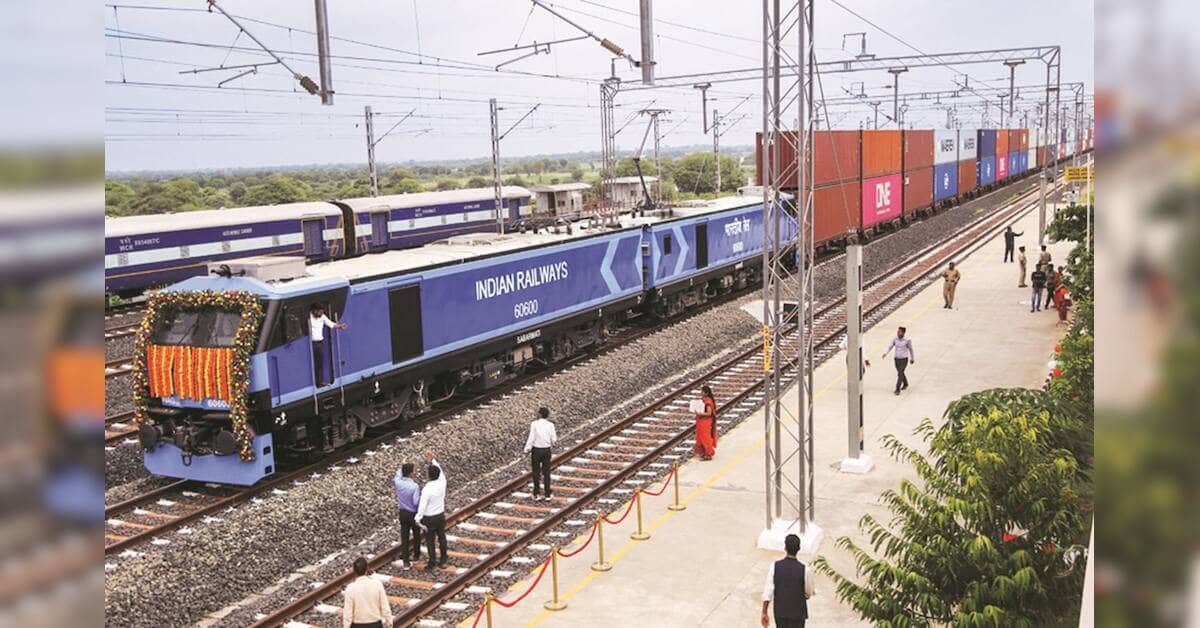
The Western Freight Corridor, now fully operational, represents a major milestone in India's logistics infrastructure development. The dedicated freight route is projected to reduce transit times by approximately 60 percent compared to conventional rail routes, addressing a longstanding bottleneck in the country's supply chain network.
The corridor's completion enables faster, more reliable movement of containers across key commercial hubs in western India, potentially transforming regional trade dynamics. Improved transit efficiency could lower logistics costs for shippers and strengthen India's competitive position in regional commerce.
Despite the infrastructure achievement, container operators emphasize that realizing the corridor's full potential depends on concurrent railway sector reforms. Industry stakeholders are calling for streamlined operations, improved coordination between freight and passenger services, and enhanced facilities at terminal points to maximize the benefits of the new route.
The corridor's completion reflects substantial government investment in modernizing India's freight infrastructure. However, operators warn that without complementary operational improvements and regulatory changes, the project may not deliver the anticipated economic gains for the logistics sector and the broader manufacturing industry reliant on efficient cargo movement.