World · India Bureau
Western Ghats biodiversity crisis: Native habitats shrink to one-third
A comprehensive review reveals that the Western Ghats has lost two-thirds of its original native habitats due to centuries of plantation expansion, infrastructure development, and dam construction. The ecological damage is now accelerating due to climate change, invasive species proliferation, and rapid urbanisation.
LSN India ·
The Western Ghats, one of India's most biodiverse regions, faces an unprecedented ecological crisis with native habitats reduced to just one-third of their original extent, according to a detailed scientific review. The mountain range spanning over 1,600 kilometres along India's western coast has undergone massive transformation over the past two centuries, fundamentally altering its ecological balance and capacity to regulate water systems.
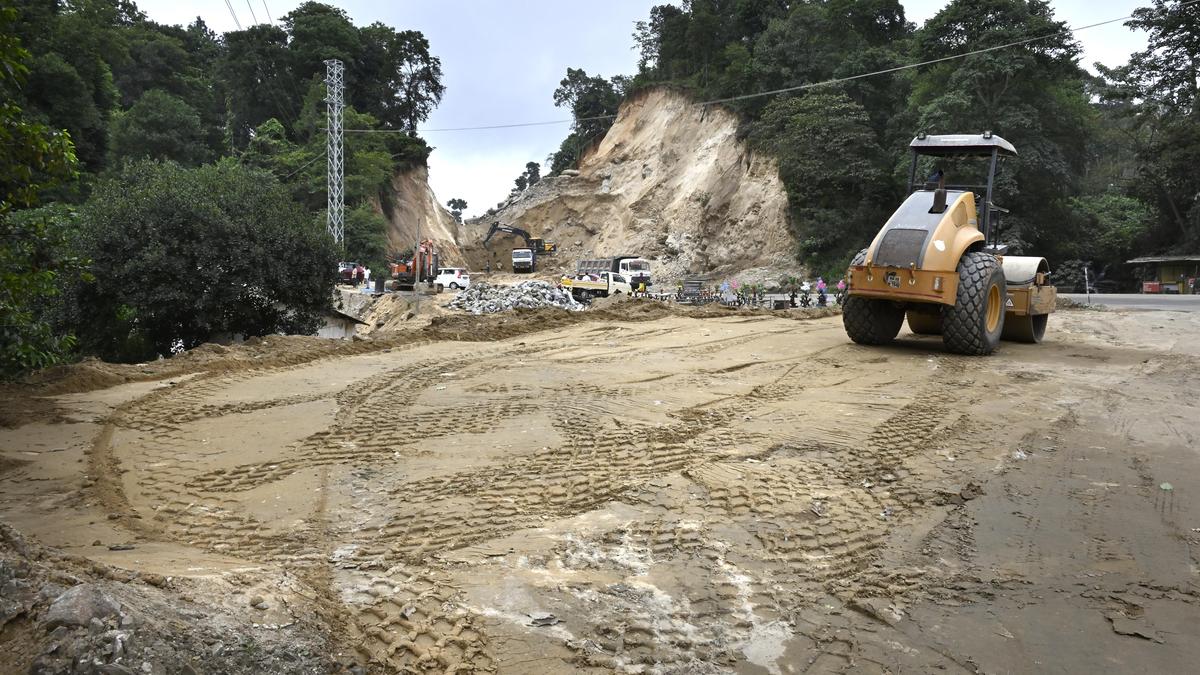
The primary drivers of habitat loss include extensive plantation agriculture, hydroelectric dams, road networks, and broader infrastructure development that have carved up the landscape. These long-standing pressures have fragmented once-continuous forests into isolated patches, compromising biodiversity and disrupting natural water cycles that the region has maintained for millennia.
The situation has deteriorated significantly in recent decades. Climate extremes, accelerating invasive species colonisation, and accelerating urbanisation are compounding the damage to remaining habitats. The hydrological regulation function of the Western Ghats—critical for water availability across peninsular India—has been substantially compromised, with implications for agriculture, drinking water supplies, and downstream ecosystems.
The Western Ghats is recognised globally as a biodiversity hotspot, home to thousands of endemic plant and animal species found nowhere else on Earth. Conservation experts warn that without urgent intervention, further ecological collapse could threaten not only unique wildlife but also the water security of millions of people dependent on the region's water systems.