World · India Bureau
Western Ghats study finds proposed ESA largely overlaps existing protected zones
A citizen-led analysis of draft Ecologically Sensitive Area notifications in two Western Ghats districts reveals that most of the proposed ESA designation already falls within notified forests, protected areas, or established Ecologically Sensitive Zones, potentially addressing resident concerns about new restrictions.
LSN India ·
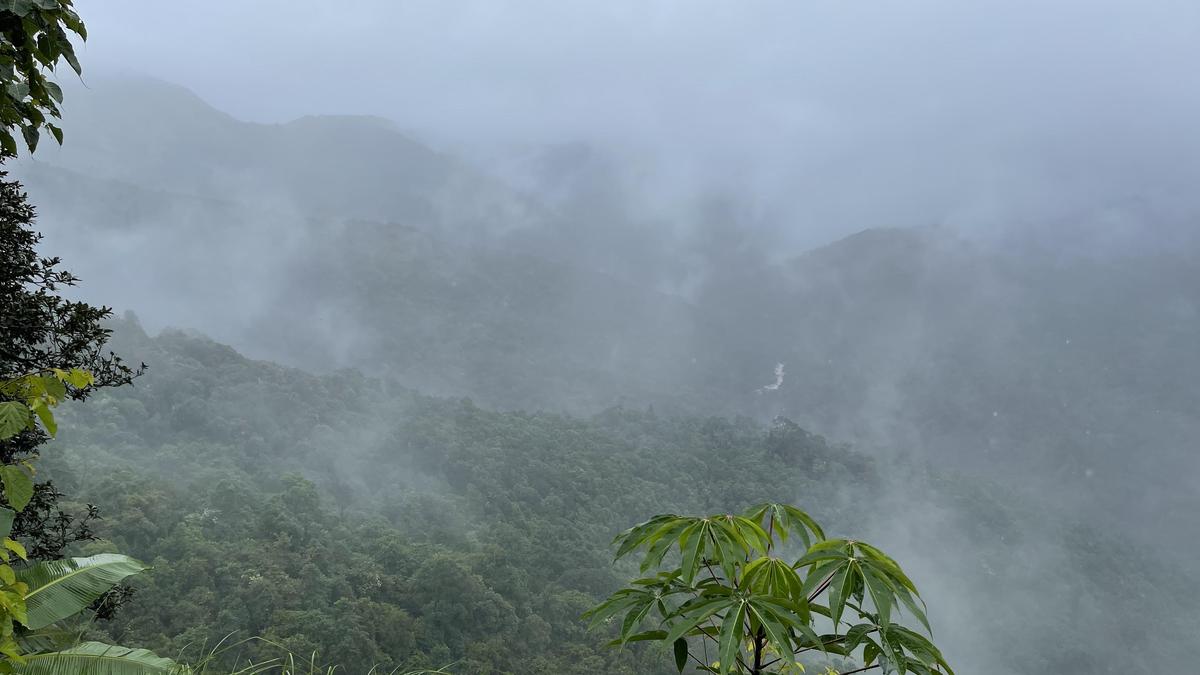
A detailed mapping exercise conducted by environmental researchers has provided clarity on the extent to which proposed Ecologically Sensitive Area (ESA) designations in two Western Ghats districts would introduce new restrictions on land use. The analysis, undertaken as a community initiative, systematically overlaid the draft ESA notification boundaries against existing protected forest areas, wildlife sanctuaries, and previously notified ESZs to assess the real-world implications for residents and landowners.
The findings indicate that a substantial portion of the proposed ESA in the two districts coincides with areas already under some form of environmental protection or regulation. This overlap suggests that many of the restrictions associated with ESA status may already be in force through existing legislation governing notified forests and protected areas, potentially mitigating fears that the new designation would impose unprecedented controls on previously unrestricted private land.
Environmental advocates have highlighted the citizen mapping project as an important tool for demystifying the ESA notification process, which has been a source of concern among communities in biodiversity-rich Western Ghats regions. By breaking down the spatial relationships between proposed ESAs and existing conservation zones, the analysis provides residents and local administrators with concrete data to understand how the designation would affect their respective areas.
The initiative underscores growing demand for transparent, data-driven communication about environmental policy decisions in the Western Ghats, a region of global ecological significance that spans multiple Indian states. Officials and environmental groups have indicated that similar mapping exercises could help address misconceptions about ESA notifications in other districts, supporting more informed public dialogue on conservation measures.