Politics · World News Bureau
Western powers deploy maritime law against Russian oil smuggling networks
Allies of Ukraine are leveraging international maritime regulations to intercept and inspect vessels suspected of transporting sanctioned Russian crude oil, marking an escalation in enforcement efforts against Moscow's shadow fleet operations.
LSN World News ·
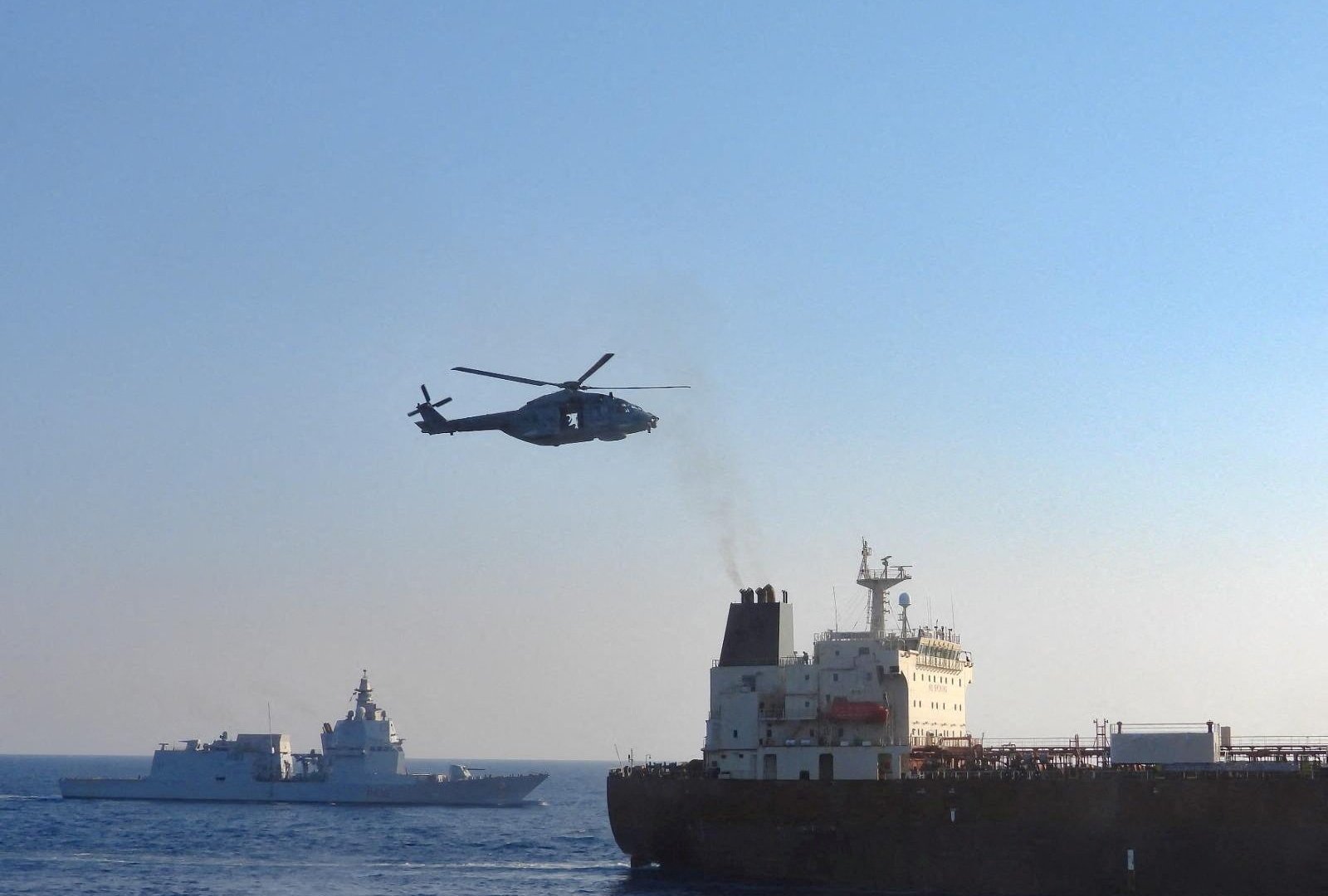
Western nations coordinating support for Ukraine are increasingly relying on provisions of international maritime law to pursue Russian oil shipments that circumvent Western sanctions. The tactic involves boarding and inspecting vessels on the high seas that intelligence agencies suspect are part of Russia's so-called shadow fleet—aging tankers operating outside conventional shipping networks to evade detection and penalties.
The enforcement strategy represents a significant shift in how Western governments are attempting to disrupt Russian revenue streams and enforce existing economic restrictions. By invoking maritime regulations and international agreements governing freedom of navigation and vessel inspection, the coalition has created a legal framework for direct intervention in oceanic trade routes without requiring formal declarations of blockade.
Russian officials have criticized the inspections as violations of international law and maritime sovereignty, contending that the measures constitute an undeclared naval blockade. Moscow has characterized the enforcement operations as politically motivated rather than legitimate regulatory action under established maritime conventions.
The campaign underscores the importance of controlling global energy markets as a pressure point against Russia's economy, particularly given that crude oil exports remain a critical revenue source for Moscow. The shadow fleet has expanded substantially since initial Western sanctions, with vessels operating under flags of convenience and through obscured ownership structures to obscure their connection to Russian interests.