Culture & Entertainment · India Bureau
Wetland Recovery Drives Fish Species Boom After Invasive Weed Removal
A three-year restoration effort in Tasmania's Duck Bay wetland has dramatically reversed ecological decline, with native fish populations more than doubling following the removal of invasive rice grass. The project demonstrates the rapid biodiversity gains possible when targeted habitat recovery takes hold.
LSN India ·
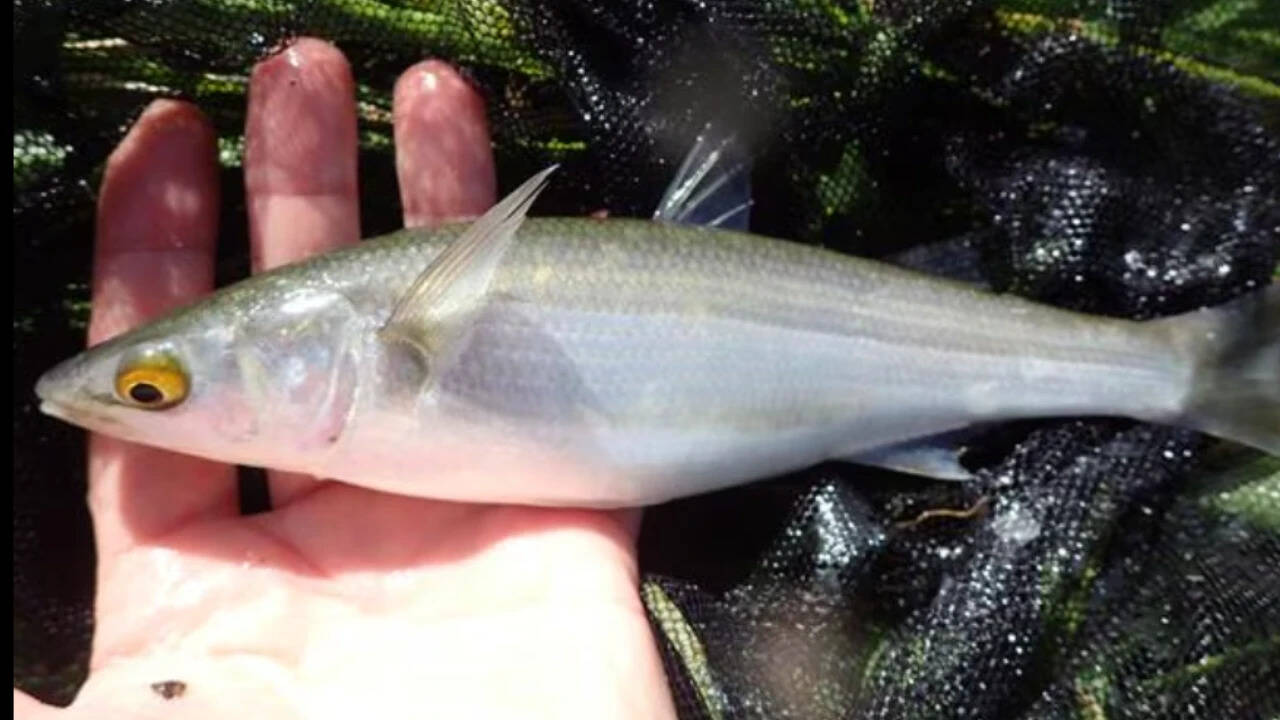
Tasmania's Duck Bay wetland is experiencing a significant ecological recovery after concerted efforts to eliminate invasive rice grass that had degraded the site for years. Circular Head Landcare has reduced the invasive plant cover from approximately 50 hectares to just five hectares, creating space for native saltmarsh vegetation to re-establish across the restored areas.
The biodiversity gains have been swift and measurable. University of Tasmania researchers documented that fish species diversity in the wetland has more than doubled over the three-year period, increasing from five species to 11. Yellow-eye mullet and other native species have returned to areas where invasive grasses had previously dominated the landscape.
The Duck Bay case illustrates how removing key stressors—in this instance, invasive vegetation—can rapidly unlock ecosystem recovery. By clearing away the rice grass, the project has restored habitat suitable for native flora and fauna, triggering a cascade of ecological benefits. The success provides a template for similar wetland restoration efforts across the region.
The ongoing project by Circular Head Landcare underscores the importance of sustained environmental management in achieving landscape-scale recovery. As native species continue to recolonize the restored sections of Duck Bay wetland, scientists will continue monitoring the site to assess longer-term ecological trends.