World · India Bureau
Wetland restoration success: NYC marsh project achieves 80% vegetation coverage
A landmark coastal restoration initiative in New York City demonstrates the viability of large-scale marsh ecosystem recovery. The project has inspired similar conservation efforts across the region.
LSN India ·
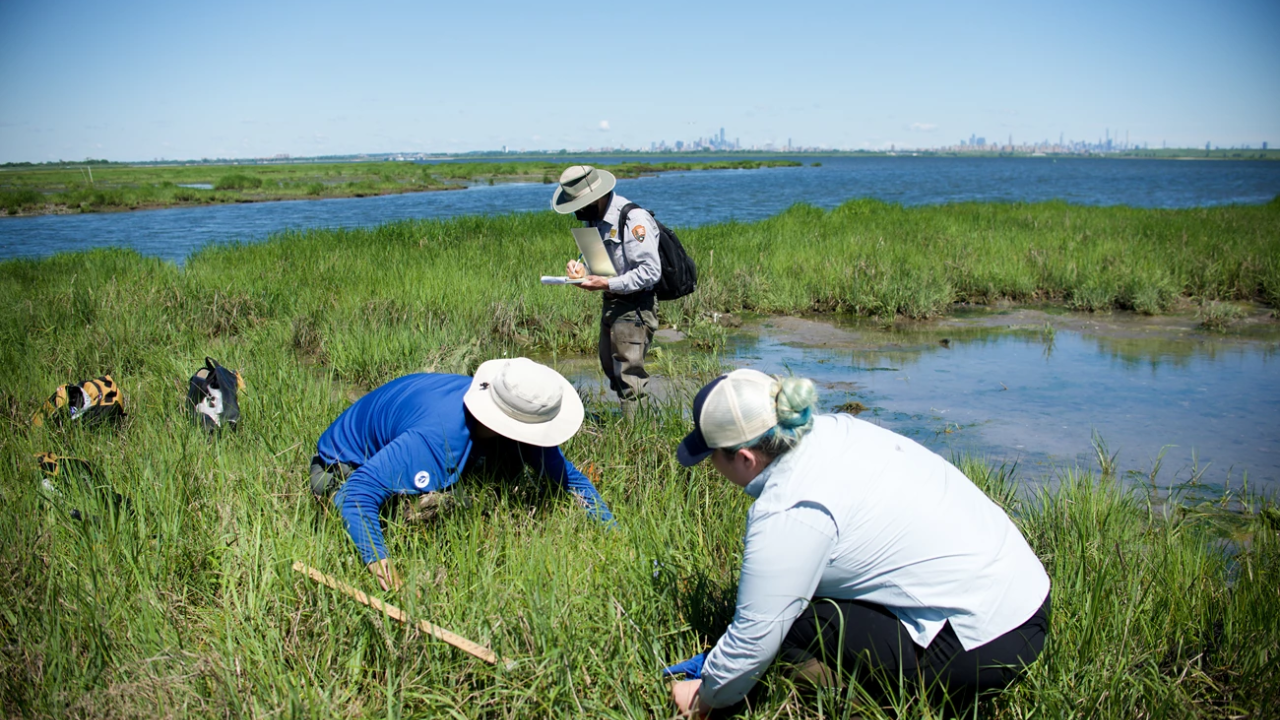
New York City's Big Egg Marsh restoration programme achieved significant ecological success when volunteers and scientists planted 20,000 cordgrass seedlings to rehabilitate the degraded salt marsh ecosystem. The collaborative effort between community volunteers and scientific teams addressed the critical challenge of restoring coastal wetlands that had been severely impacted by urban development and environmental degradation.
Within two years of the initial planting in 2003, vegetation had successfully established itself across more than eighty percent of the restoration site, exceeding initial expectations and demonstrating the viability of intensive replanting strategies. This rapid vegetation recovery indicated that the salt marsh ecosystem could be effectively re-established through coordinated human intervention and proper ecological management practices.
The project's success has catalysed broader wetland restoration efforts throughout the region. Jamaica Bay, where the Big Egg Marsh site is located, has since witnessed the restoration of over 150 acres of marshland, representing a significant expansion of conservation efforts. These outcomes underscore the importance of citizen participation in environmental restoration and provide a replicable model for coastal communities facing similar ecological challenges.