Business · Bangladesh Bureau
What goes into producing a nation's currency notes
The production of banknotes involves significant costs and complex processes that governments must factor into their monetary operations. From design to security features, printing currency demands substantial investment and technical expertise.
LSN Bangladesh ·
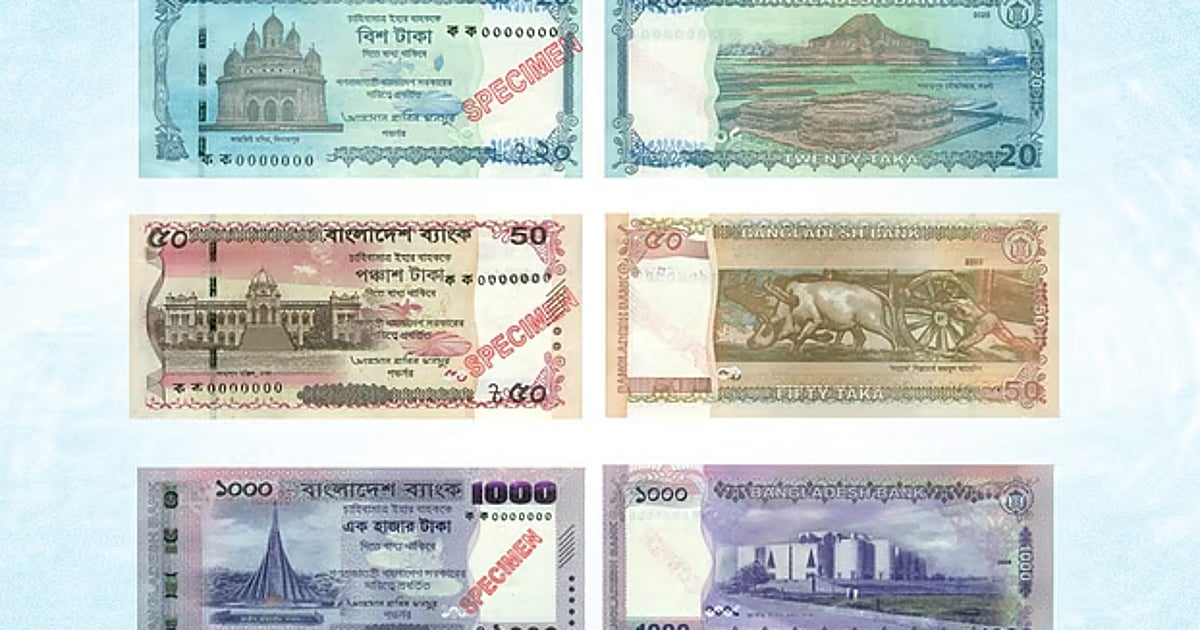
Producing banknotes is a costly undertaking that extends far beyond the simple act of printing. Central banks and government mints worldwide must invest heavily in specialized equipment, security measures, and skilled personnel to manufacture currency that is difficult to counterfeit while remaining cost-effective for circulation.
The expenses involved in banknote production include raw material costs, primarily specialized paper or polymer substrates that meet stringent durability and security standards. Additional expenditures cover the incorporation of advanced security features such as holograms, security threads, watermarks, and color-shifting inks designed to prevent forgery and protect the integrity of a nation's currency.
Labor costs represent another significant component, as producing high-quality banknotes requires trained technicians and quality control specialists working in secure facilities. Regular maintenance of printing machinery, which must operate with extreme precision, adds further to the overall expenses incurred by currency authorities.
Most central banks, including those in South and Southeast Asia, operate dedicated mints or contract with specialized security printing companies to produce their banknotes. The cost per note varies depending on the denomination, design complexity, and security features incorporated, though these expenses are generally considered justified investments in maintaining public confidence in the currency and preventing counterfeiting.
Governments typically evaluate the lifespan and durability of banknotes alongside production costs to determine optimal printing schedules and quantities. When currencies require design changes or security upgrades due to emerging counterfeiting threats, these expenditures can increase substantially.