World · India Bureau
What Makes an AQI-Controlled Home? Understanding Pollution-Free Indoor Spaces
As seasonal changes bring rising air pollution levels across Indian cities, some households maintain controlled indoor air quality despite deteriorating outdoor conditions. Experts explain the features and technologies that define these pollution-resistant homes.
LSN India ·
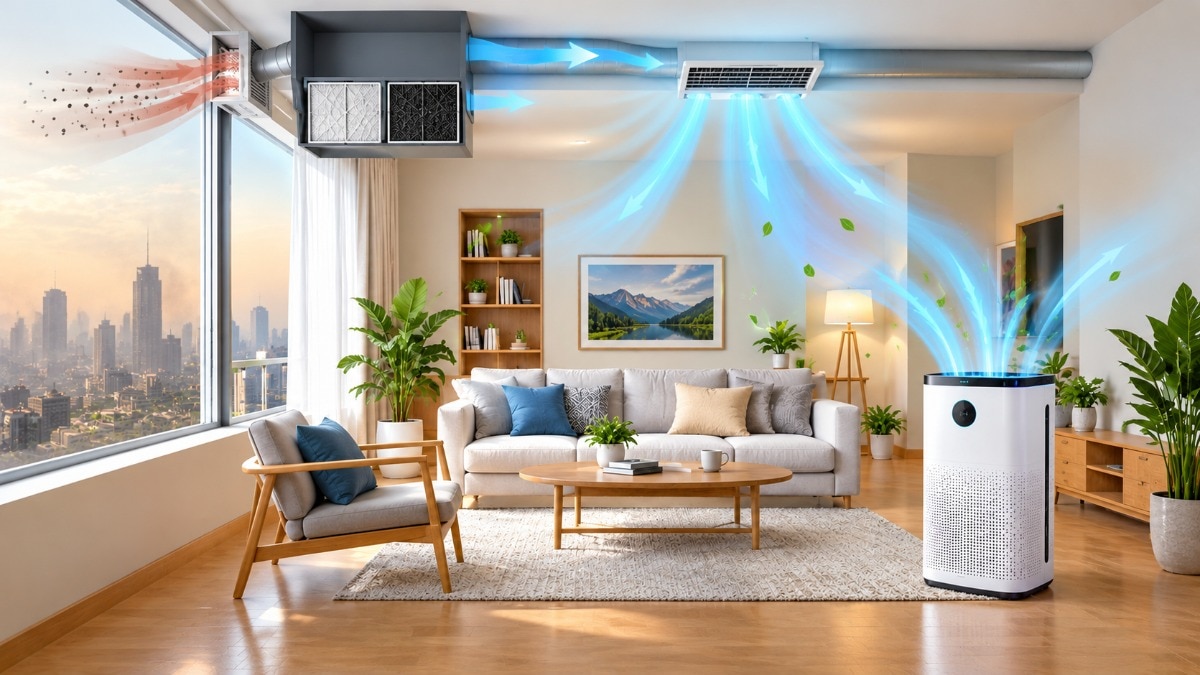
With shifting weather patterns driving up pollution levels across South Asia, outdoor air quality indices have become a growing concern for residents. While most homes remain vulnerable to external air pollution seeping indoors, a select category of residences—known as AQI-controlled homes—maintain significantly better indoor air quality regardless of outdoor conditions.
These specially designed or retrofitted homes employ multiple strategies to minimize the impact of poor outdoor air. Key features typically include advanced air filtration systems, sealed windows and doors with weatherstripping, mechanical ventilation with HEPA filters, and strategic placement of air purifiers in main living areas. Some homes also incorporate smart monitoring systems that track real-time air quality metrics and automatically adjust filtration intensity.
The distinction between standard and AQI-controlled homes lies in their construction standards and maintenance protocols. Homes meeting these criteria feature superior insulation, reduced air leakage, and dedicated air handling units that prevent outside pollutants from infiltrating indoor spaces. Additionally, these residences often limit indoor pollution sources through careful material selection and regular cleaning schedules.
Experts note that while such homes require initial investment in quality systems and construction modifications, they provide substantial health benefits—particularly for vulnerable populations including children, elderly residents, and those with respiratory conditions. As air pollution concerns intensify across urban centers, the demand for scientifically designed, pollution-resistant residential spaces continues to grow among health-conscious homeowners.