World · India Bureau
What's Inside Dental Fillings? Understanding Common Cavity Treatment Materials
Dentists use various materials to fill cavities after removing decayed tooth tissue, each with distinct properties and applications. Understanding these dental compounds can help patients make informed decisions about their oral health treatment.
LSN India ·
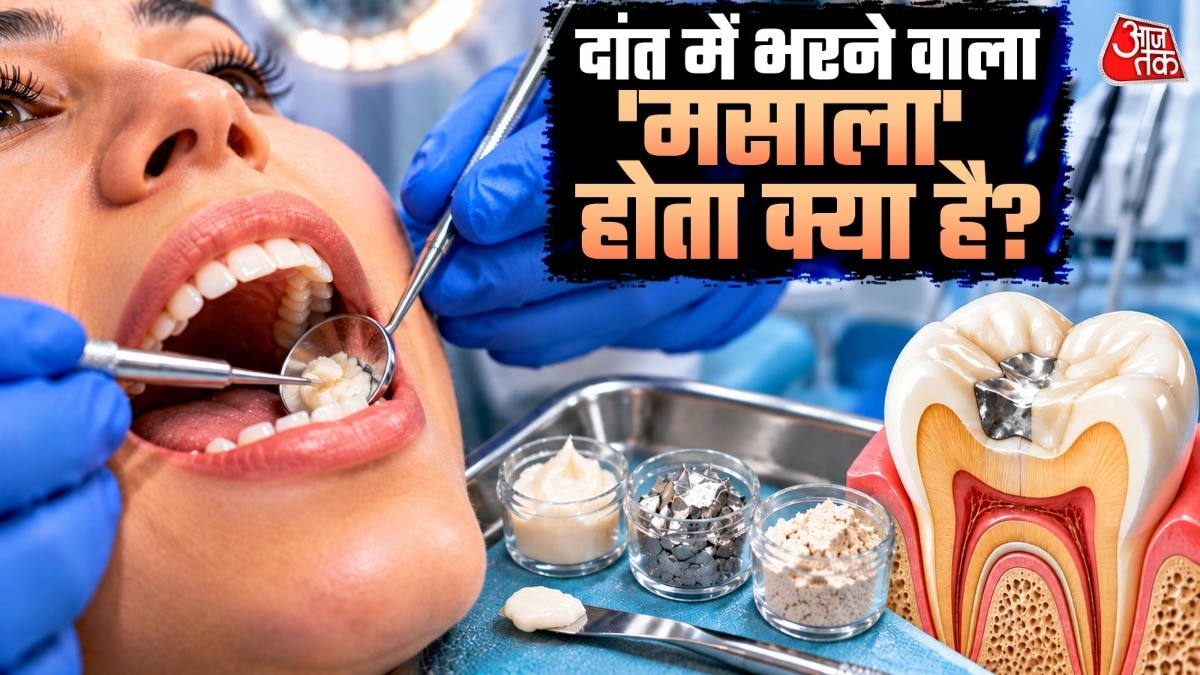
When a tooth develops a cavity, dentists remove the damaged portion and fill the space with specialized dental materials to restore the tooth's structure and function. While commonly referred to as dental 'filling' in everyday language, these restorative materials are far more complex than a simple paste, comprising different compounds tailored to specific clinical requirements.
Dentists typically choose from several established materials depending on factors such as cavity location, size, and patient preference. The most widely used options include composite resin, glass ionomer cement, and amalgam. Composite resin, a tooth-colored plastic-based material, has gained popularity for aesthetic reasons and bonds directly to tooth structure. Glass ionomer cement offers fluoride-releasing properties that provide additional protection against future decay, making it particularly suitable for cavities near the gum line. Amalgam, a silver-colored alloy containing mercury, copper, tin, and zinc, remains a durable and cost-effective choice despite ongoing discussions about its safety profile.
Each material possesses distinct advantages and limitations. While composite resins provide superior cosmetic results, they may require more frequent replacement than amalgam. Glass ionomer cements are gentler on tooth tissue but generally less durable. Amalgam fillings last longer and are more resistant to wear, though their dark appearance makes them less desirable for visible teeth.
Dental professionals select appropriate filling materials based on clinical assessment and patient needs. Modern dentistry offers multiple solutions to address cavities, with each material type serving specific purposes in maintaining oral health and restoring tooth function.